HIMS-trained psychiatrist
Balancing public safety with patient care
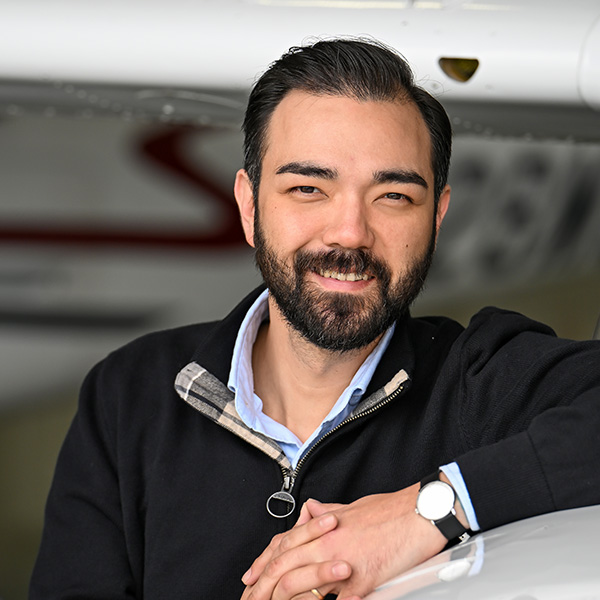
From his private practice in Santa Monica, California, Dr. Matthew Goldenberg evaluates pilots and air traffic controllers for the FAA. As a HIMS-trained addiction psychiatrist, he works closely with safety-sensitive professionals, helping them navigate mental health or substance-related concerns while keeping their professional responsibilities in focus.

HIMS stands for human intervention motivation study. In the early 1970s, the program was developed through a collaboration between the Air Line Pilots Association and the FAA. It provides psychiatrists, among other healthcare professionals, with specialized training in FAA regulations and procedures, helping pilots avoid unnecessary mistakes and delays that can result from working with clinicians unfamiliar with the process.
Goldenberg’s workdays are varied. They might include initial in-person evaluations with pilots experiencing depression, anxiety, or substance use issues; reviewing records; coordinating with aviation medical examiners; or conducting remote consultations. He also works with mental health and addiction advocacy groups and occasionally teaches.
“Sometimes, [pilots] will think that we’re in charge of what happens. We’re basically a mirror for the FAA. We provide clinical recommendations, and it’s up to them to decide what happens next. I’m going to shine back on the FAA what records and documentation we have available, and then it’s up to the FAA to render a decision on whether somebody is safe to fly or not.”
While the work may be varied, the underlying mission is always the same: balancing public safety with the individual pilot’s need for effective treatment. “It’s a house of cards. If the public fears that pilots are not safe, then the entire industry goes down. On the other hand, you have individuals who have rights—pilots. And we know that people should be able to get the care they need…. It’s finding that balance between the individual’s right to healthcare and the public’s need to trust the airline industry.”
Related Articles


