Sonerai to Sonex
The story of John Monnett
By Jim Cunningham
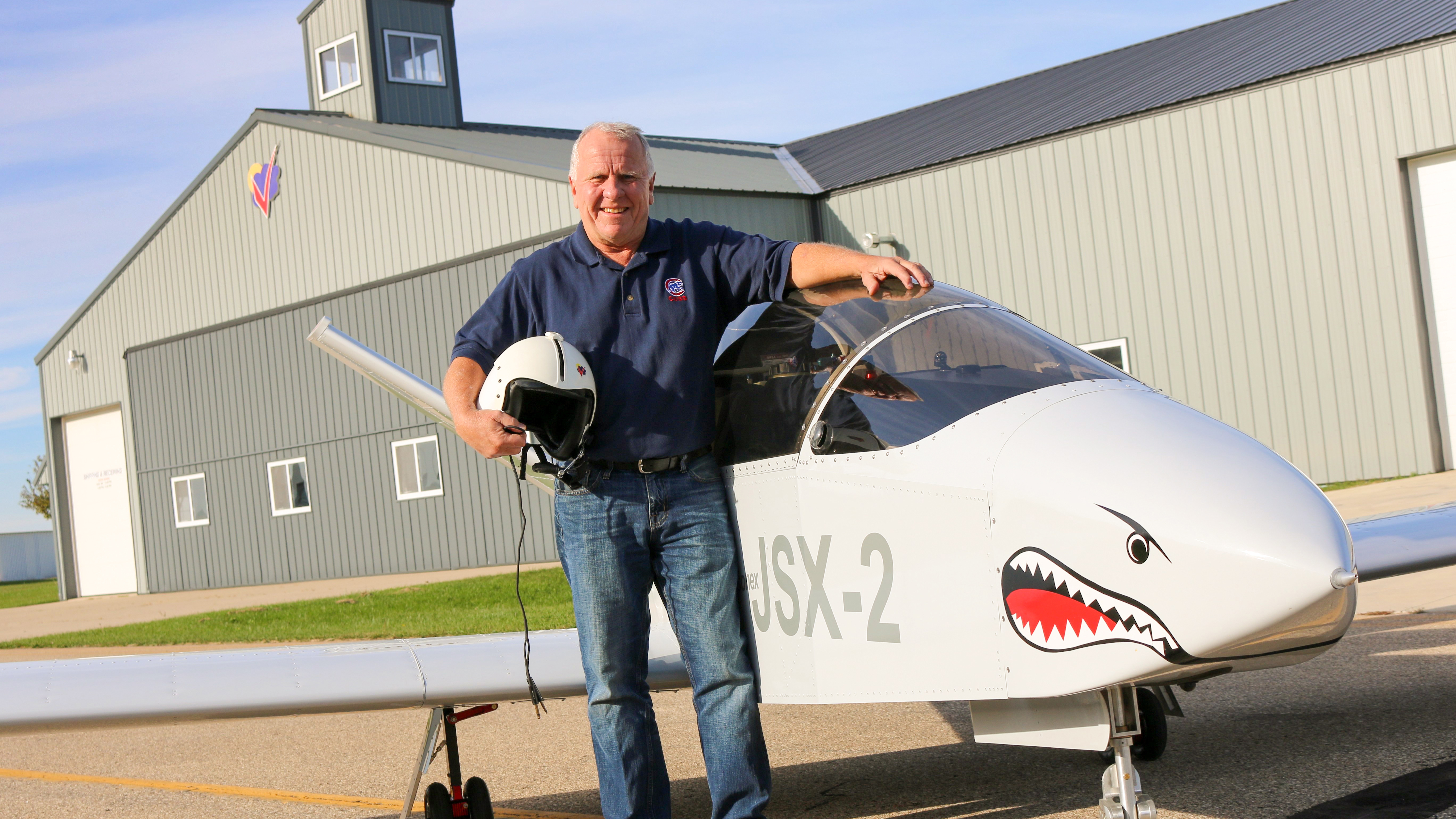
“I’m John Monnett, and I’m a jet pilot.” While most pilots first get to make such a statement when they are in their 20s or 30s, Monnett was 69 when he became a jet pilot, test flying the SubSonex, which he also designed.
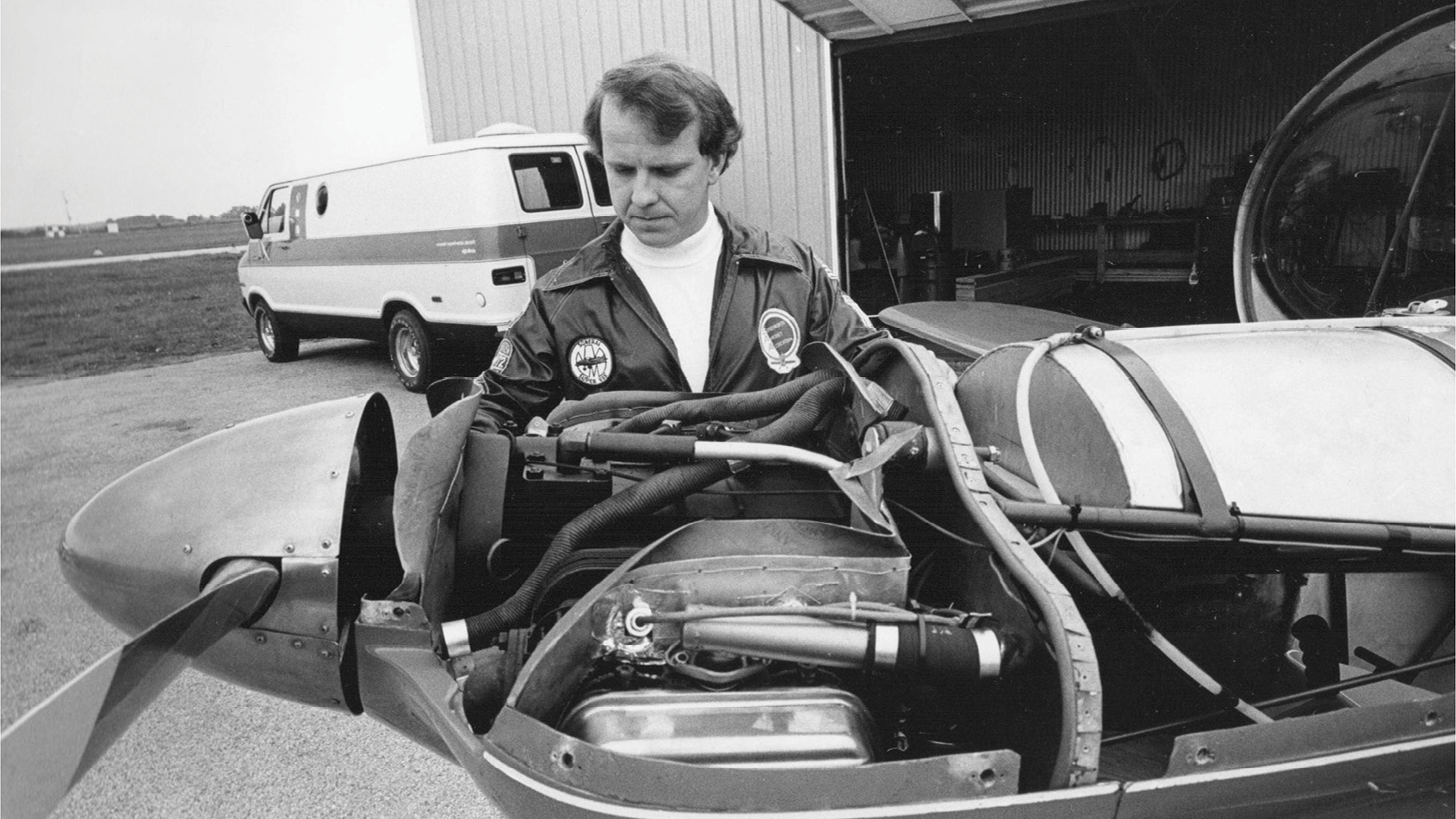
Monnett entered aviation as many have, building model and RC airplanes, then progressing to flying lessons in real airplanes, paid for by “fueling airplanes all day so I could fly them around the patch before putting them away.”
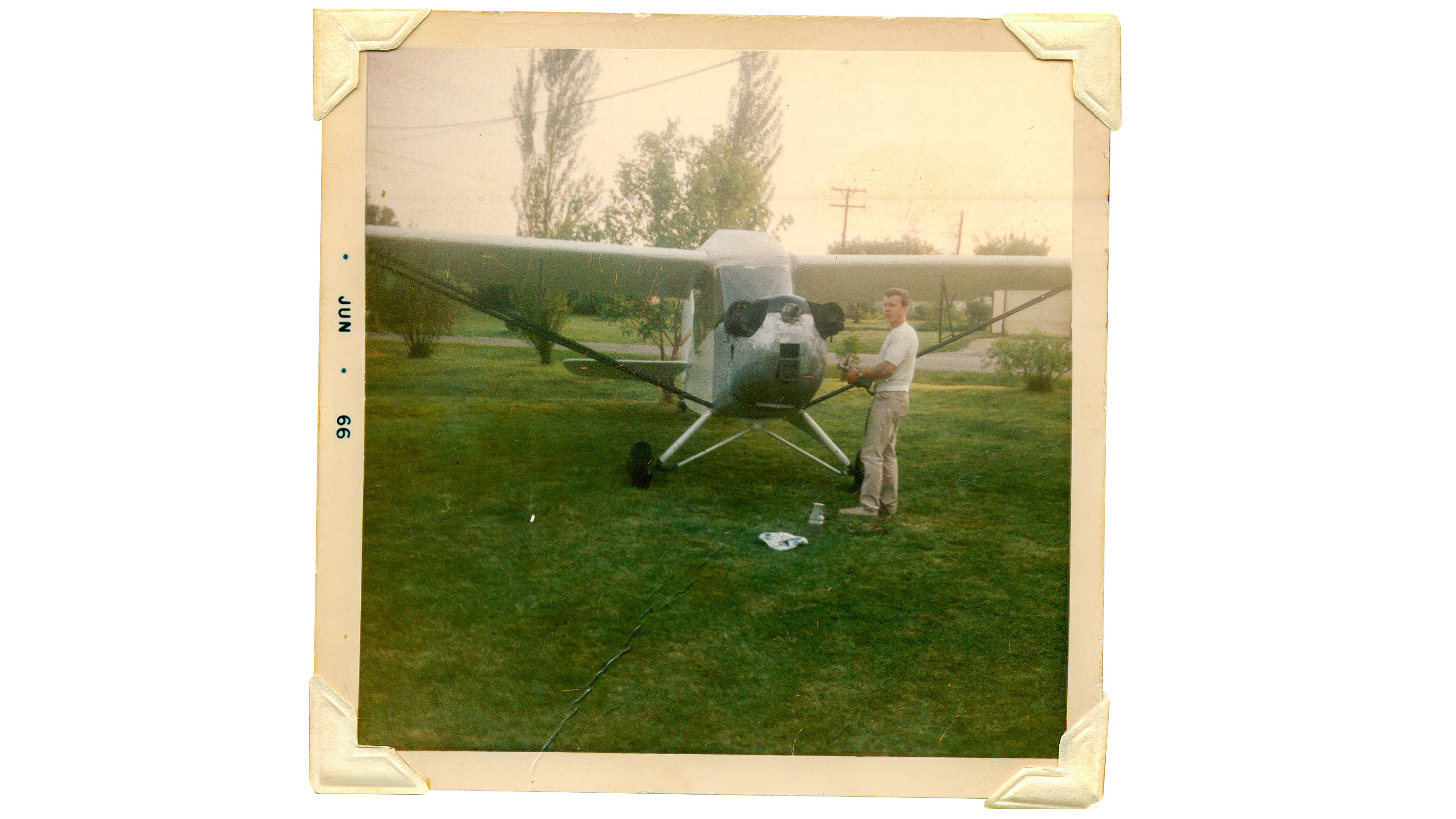
Shortly after marrying his college sweetheart, Betty, Monnett started a Midget Mustang project but determined (with some help from Betty) that it was unaffordable on their beginning salaries. He sold it and replaced it with a more economical Jeanie’s Teenie.
He flew the completed airplane to the EAA convention in Oshkosh, where he was inspired by noted air racer Steve Wittman’s talk about a new race category, Formula V. These airplanes were small, VW-powered, and affordable for the average pilot and builder. Monnett went home determined to design, build, and fly an entry to Oshkosh the following year, while teaching full time, earning a graduate degree, and raising a newborn son.
Somehow, he succeeded and flew the completed airplane, which he named Sonerai, to Oshkosh. It instantly drew attention—builders wanted plans and a two-seat version. Monnett unveiled the two-seat Sonerai II the next year.
Next came components such as prewelded fuselages and canopies. Through all this and his teaching job, Betty managed three toddlers, filled orders, kept the books, and ran the business. “It was a three-ring circus,” she said.
It could not go on, and Betty drew the line: “Either you’re going to teach or build airplanes—not both.” They were surprised to learn that the business could support them full-time. This made Monnett’s choice easy: build airplanes.
The business grew quickly. New models of the Sonerai appeared, along with the Monerai sailplane. By 1981, the company outgrew its facility in Elgin, Illinois, and Monnett decided to move to Oshkosh.
Next, Monnett designed and flew a one-off racer named Monex that set three world speed records in 1982, one of which still stands today. The company’s next kit, scaled back from the Monex and built on the technologies of it and other previous designs, was the single-seat Moni motorglider.
Business boomed—until it didn’t. General aviation declined in the mid-1980s. Several product liability lawsuits Monnett faced added to the strain, even though he was successful in defending against them. Monnett Experimental Aircraft closed its doors in 1987.
Monnett spent a few years at a local company, and although he was earning more, he quit and started restoring Cubs and other vintage airplanes. He also held homebuilder workshops. Neither operation was very profitable.
Things changed when an Italian company asked Monnett to design a side-by-side version of the Sonerai. He instead proposed a new all-metal aircraft inspired by his Monex and Moni. Partnering with former employee Pete Buck—now a Lockheed Skunk Works engineer—they created the Sonex, marking Monnett’s 1998 return to the kitplane industry.
Monnett carefully grew the new company from plans to basic kits, then full kits. Betty returned, and son, Jeremy, now a Boeing engineer, came home and joined the team. With kit aircraft becoming costly, there was demand for something simple and affordable. “When we returned, we realized no one else had filled the niche,” Betty said. The Sonex quickly became a bestseller, followed by the Y-tailed Waiex and Xenos motorglider.
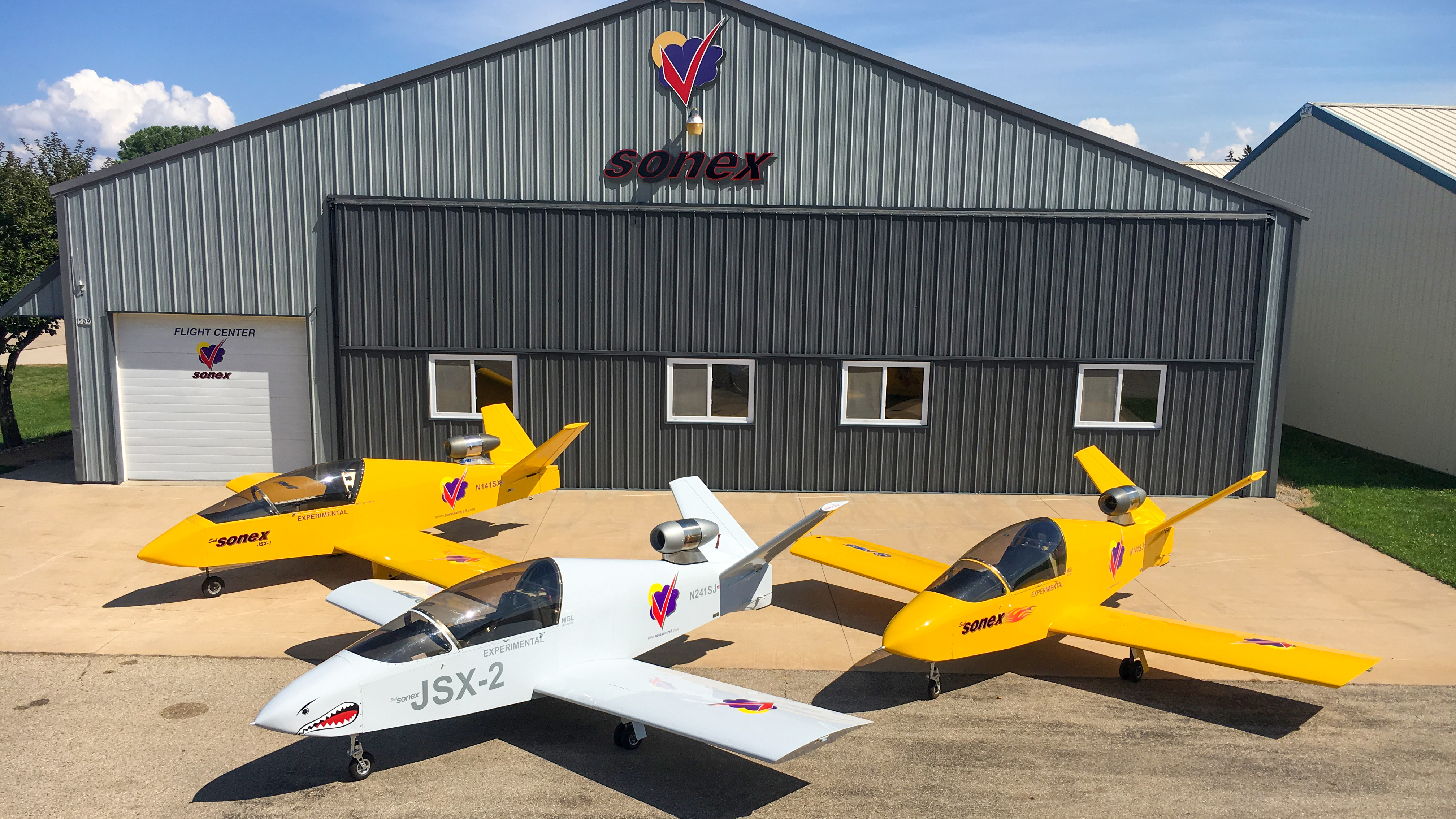
Monnett always wanted to fly a jet, so he designed and built his own, the SubSonex. Never intended for a large audience, the boutique design allowed builders wanting something different to have a turbine-powered homebuilt, and several are on the airshow circuit. Next, son Jeremy led the single-seat Onex, featuring folding wings for easy storage.
Tragedy struck on June 2, 2015, when Jeremy was giving a new Sonex employee a flight in a Waiex. The engine failed on takeoff, and the aircraft crashed, killing both men. The loss was devastating. Monnett wavered between closing the company and walking away from aviation and trying to summon the strength to carry on and evolve. He ultimately chose the latter; a decade later, he struggles with the loss.
The product line evolved with improved Sonex and Waiex B models. Drone market growth led to a partnership with NASC for an unmanned Xenos drone derivative. Monnett’s final project with the company was working on the design for the new Sonex High Wing.
On March 27, Sonex LLC owner Mark Schaible announced the company was closing immediately and filing for bankruptcy. In a video on his website, Schaible said the closing is “a perfect storm of bank pressure, lack of sales, increasing costs, competition from our own aircraft on the used market, and cash flow realities.”
A private equity firm run by Stephen Osborne purchased the company within days, and announced a return to full production on June 21.
 aopa.org/Sonex
Monnett concluded that it was time to sell the company in 2022 and continued with Sonex in an advisory role. He found his successor right in the company: longtime employee Mark Scaible.
Sonex Aircraft closed on March 26, 2026, due to financial difficulties. As of this writing, efforts are under way to reopen the company and continue the aircraft line. John intends to continue his involvement with the company in the future.
Today, Monnett has come full circle and spends time in his hangar restoring three Piper Cubs. Monnett’s innovation streak also lives on—he is developing a new rotationally molded fuel tank replacement for Piper Cubs. 
Jim Cunningham has been flying for 38 years. He holds a commercial pilot certificate with airplane multiengine land, an instrument rating; and instructor certificates. He owns a Piper Arrow III.
Related Articles


