Unmanned helicopters
Robinson introduces two remotely piloted models
Love them or hate them, unmanned general aviation helicopters have arrived.
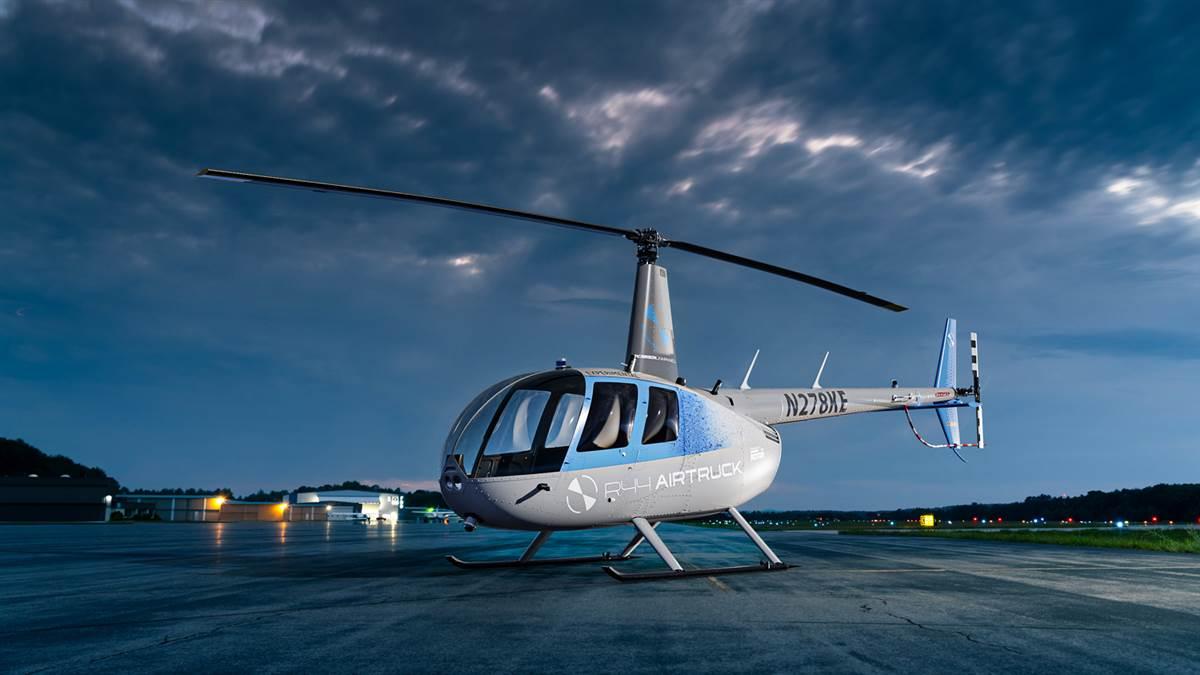

In March, Robinson Helicopter Company launched Robinson Unmanned, a new division dedicated to developing uncrewed aircraft systems. The company has introduced a lineup of both small and large uncrewed rotorcraft, but its large unmanned aircraft system (UAS) fleet has attracted the most attention.
Rather than designing an aircraft from scratch, Robinson adapted its iconic R44 helicopter by retaining the same engine, drivetrain, and rotor systems used in the crewed version while equipping the cockpit with flight controls operated by a remote pilot on the ground.
According to the company, the program was developed to eliminate crew risk, reduce reliance on ground transportation, and improve the ability to operate in remote or hazardous environments.
The unmanned R44 is available in two configurations: the Airtruck and the Sprayhawk. The Airtruck is intended for cargo transport, resupply, and surveillance missions, while the Sprayhawk is designed for agricultural and environmental operations.
Both aircraft are equipped with onboard sensors, including 360-degree collision-detection lidar, two wide forward-facing cameras, and a radar altimeter. The aircraft also feature five flight modes, including waypoint navigation, terrain avoidance, and an emergency return-to-home function.
The Airtruck and Sprayhawk are available for purchase in the United States and have gained FAA experimental category approval. Robinson is pursuing a Section 44807 exemption from the FAA that would allow commercial uncrewed operations within the country, while administrations such as Brazil’s National Civil Aviation Agency have already granted the helicopters the ability to be operated commercially.
Related Articles