Honeymoon horror
Density altitude and decision-making claim newlyweds
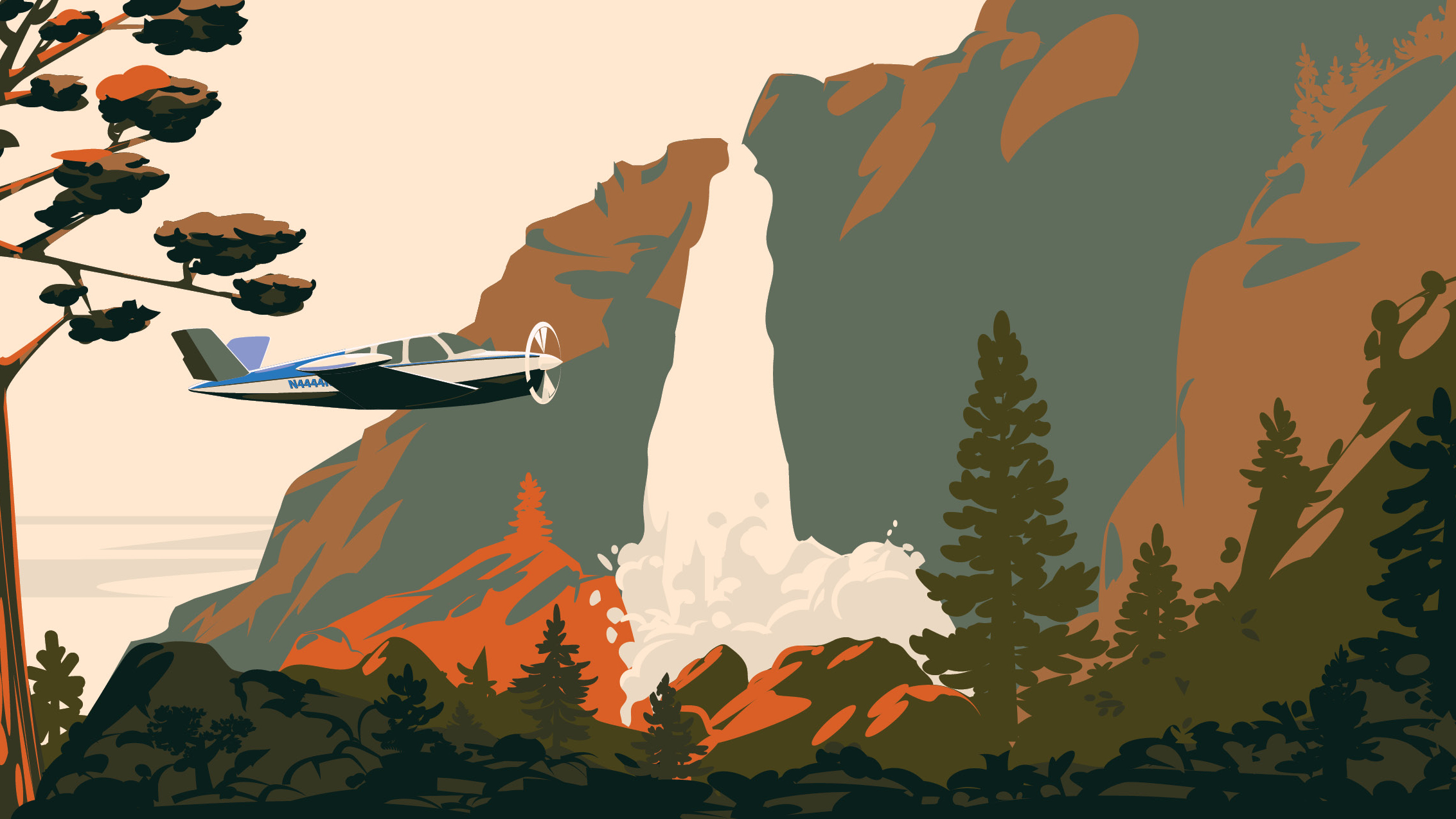
The Bonanza’s pilot, a young, well-respected airline pilot from Florida, had recently purchased the Bonanza and accumulated about 130 hours in the airplane prior to the accident.
Telluride’s elevation is 9,078 feet msl. Throw in some modest heat and the density altitude can get far higher than that. Like most experienced pilots, he would have been familiar with the risks of density altitude on his ordinarily good-performing Bonanza. The morning of the accident flight, he took his bride and two other passengers on a local flight that was rumored to be scouting for photographic reasons. Flying in the morning is critical to successful mountain flying because of favorable density altitude and lower chances of turbulence. The pilot also decided not to add any unnecessary fuel to keep the airplane’s weight low. A wise choice.
For the morning flight, the density altitude at Telluride was likely right around the same as the field elevation. The Bonanza’s Continental IO-520 engine is capable of 285 horsepower at sea level on a standard day. However, a naturally aspirated engine loses about 3.5 percent of its horsepower per 1,000 feet of altitude gained. At 9,000 feet, the IO-520 could only muster about 195 horsepower, which leaves little excess power for climbing. The morning flight took the four occupants east toward scenic Bridal Veil Falls with a planned return to Telluride.
The accident flight was the first leg of the couple’s return flight to Florida after their wedding. Without the two passengers, the pilot opted to replace that weight with their luggage and a sizeable fuel load, bringing the Bonanza within 300 pounds of its maximum takeoff weight. In the intervening hours between the flights, the temperature had warmed, bringing density altitude close to 11,000 feet at the airport. This reduced the IO-520’s power to about 175 horsepower. The Bonanza ambled off the runway and climbed while flying west toward lower terrain. It then reversed course back to the east as they did on the morning flight.
As expected, climb performance was poor, but the Bonanza pressed eastward into a box canyon with rising terrain. Realizing that this was not going well, the pilot extended the flaps partially. He may have done this to gain some margin on the approaching stall or perhaps to minimize the turn radius for him to turn around. Either way, the airplane ran out of performance, stalled, and crashed near vertically, killing both occupants. The calculated density altitude at the accident site was 13,604 feet, according to the National Transportation Safety Board’s report.
Calculations reveal the Bonanza’s engine could only make about 150 horsepower at the location of the crash. That’s not much power to get a 3,000-pound airplane to climb. The only options to coax any performance out of the airplane would have been to reduce the fuel load or climb another five to 10 miles to the west to gain altitude prior to reversing course to the east. He could also have kept the fuel level low and gone 50 miles south to Durango, Colorado, or southeast to Pagosa Springs, Colorado, in lower terrain and put on more fuel there. Of course, leaving earlier would also likely have led to success.
Flying in the mountains, especially in the warmer months, demands respect for the conditions and the equipment. Climb capability, especially on a feet-per-mile basis, is drastically reduced. The thinner air leads to higher true airspeeds, making your sight picture different. A climb gradient at 100 knots indicated airspeed at 13,000 feet translates to a true airspeed of about 130 knots, which will cover a lot more ground than you’re used to at that indicated airspeed. In addition, non-turbocharged aircraft must tread carefully in these areas. Performance margins are critical, and despite being aware of the challenges, the pilot went a step too far. Were there some external factors at play here? Was there a delay leading to a later-than-desired departure?
Although not mentioned in the NTSB report, it was reported elsewhere that the morning flight was a scouting mission for a photographer to perhaps capture the couple flying by Bridal Veil Falls on their way home. If so, did the pilot stay low to allow the photographer to get a better shot? There’s no way to know, but it has been proven myriad times in aviation that when a camera comes out, the risk factor soars. The NTSB didn’t mention this speculative evidence, but it’s worth mentioning because it could have added another layer of pressure on the pilot.
Related Articles


