Climb launches adaptive flight training management tool
CFI-crafted system focuses on student needs
Flight training isn't linear—and pilots don't all learn the same way. Yet many schools still rely on static syllabi and scattered tracking systems. Climb LLC's Training Management System (TMS) aims to change that by adapting instruction to each student's performance.

Some schools build thoughtful programs with an attractive syllabus and slick PowerPoint decks. Some instructors track progress meticulously via their own systems. The problem is consistency. Even the best systems are not perfectly suited to every student and school—and too often, they live in binders, spreadsheets, or someone's memory.
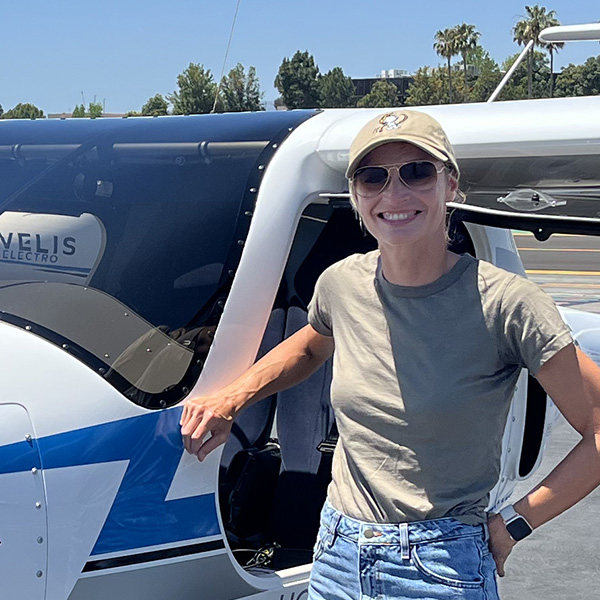
Created by instructors Susan Tholen and Rob Montgomery, Climb TMS is designed to support customized instruction. Instead of forcing every student through the same linear syllabus, it tracks performance and adapts training accordingly.
Strong instructors tailor lessons to what each student struggles with—or excels at. Climb TMS makes that progress visible and trackable. Every maneuver, ground task, and briefing can be logged. If a student struggles with crosswind landings, the system flags it and suggests follow-up practice. If they master slow flight early, they can move ahead to more advanced maneuvers without wasting time.
"It lets us see patterns over time," Tholen said. "It also brings the student through that process of building, sharpening, and improving." For instructors, that means clearer insight. For students it means they understand why they are repeating something—or moving on. That transparency matters, especially when flight time is expensive. Climb encourages students to complete ground preparation and the activities in their individual Climb TMS platform before they fly, so aircraft time is spent mastering—not reviewing.
The TMS also creates shared accountability. Students can see their weak areas, and instructors can spot trends early so no one is surprised at stage checks or on a checkride. Before major milestones, students can review what they've struggled with, what they've repeated, and what still needs work. Studying becomes targeted instead of overwhelming. Montgomery compares checkrides to engine failures—stressful, disorientating and rarely a student's best day. The platform can't guarantee a pass, but it can make sure nothing feels unfamiliar. That difference matters when confidence can make or break performance.
Portability is one of the platform's biggest advantages. Many students change instructors, schools, or even states during training. That often means fragmented records and instructors working with incomplete information. With Climb TMS, the student owns their course and history. Montgomery shared an example of a student splitting time between Florida and New England. Each instructor only had a part of the picture. "With this system, we could actually be on the same page," he said. "Able to see each other's notes so we know what the student is up to and make it a much better experience." For students who move, travel, or train part-time, that continuity is huge.
Climb TMS launched with an FAA-based Climb/Aviation Supplies and Academics Commercial Multi-Engine Add-On course, available only through the Climb TMS at Climb.aero. Private pilot training is next and expected to enter beta phase soon. Instrument courses are already in development. In the long-term Climb isn't stopping at core ratings. "There's an infinite number of courses that you can create in aviation," Montgomery noted.
Instead of building everything in-house Climb is creating a marketplace where instructors and content creators can publish and sell their own courses. Through the Course Developer Program both schools and creators can build and monetize custom aviation courses inside the Climb ecosystem. Creators set their own pricing. Climb hosts the content, handles payments through Stripe—a secure online payment platform that processes credit cards and payouts. Stripe makes it possible for instructors to sell courses directly inside the Climb ecosystem, while Climb manages the transactions and takes a small platform fee. Uploading content is free for flight schools, and courses can be sold directly to students—similar to how training kits were sold in the past. Every course goes through review, and new creators work directly with the Climb team. Established providers like ASA, King Schools, and Pilot Institute remain accountable.
Right now, Climb supports PDFs, videos, and audio content. Fully interactive simulations aren't live yet. Its strength is structure. It's not just content delivery; it's adaptive training design.