Room for everyone
Breaking barriers at the Luke Weathers Flight Academy
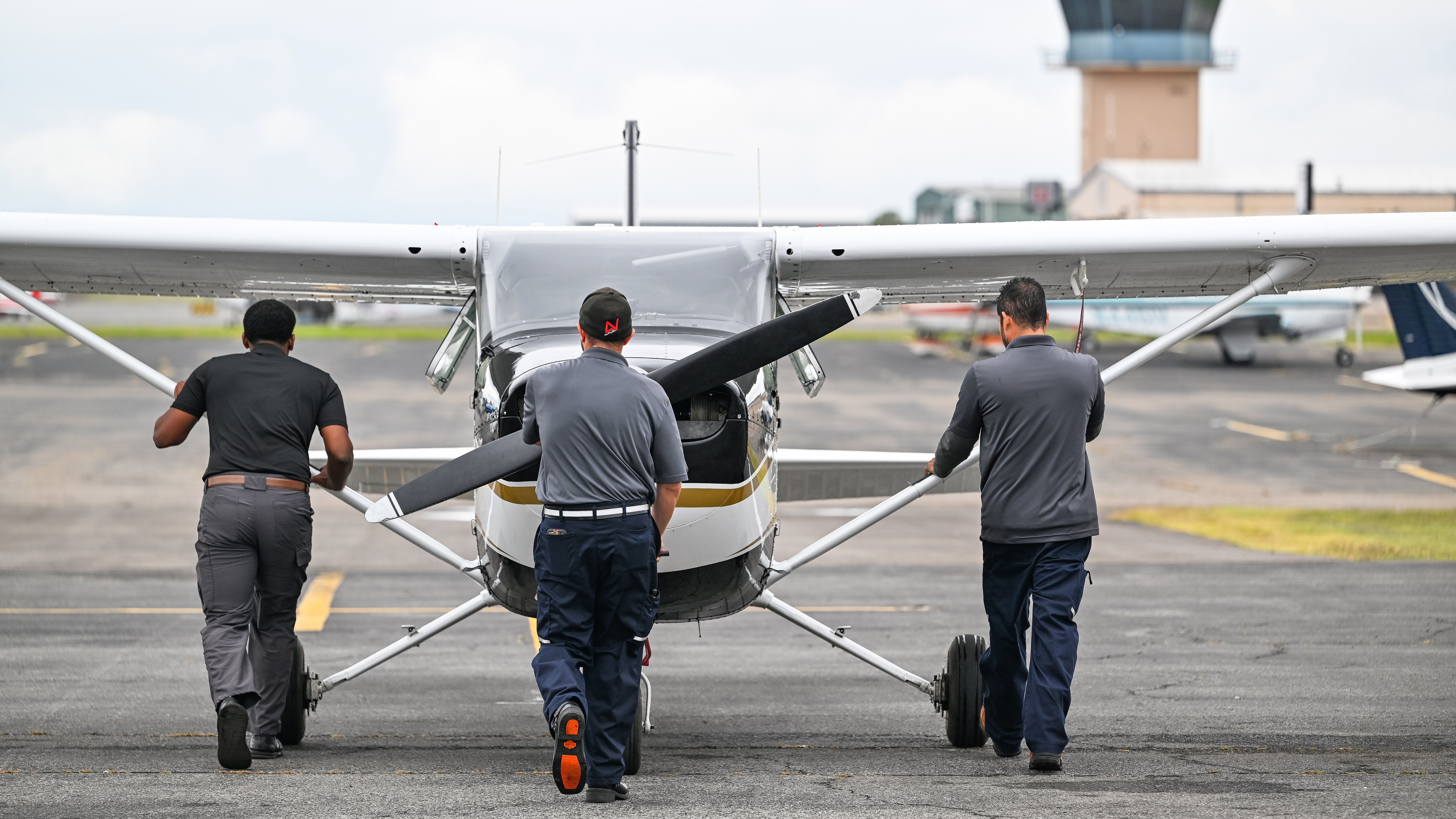
For the team at the Luke Weathers Flight Academy (LWFA), overcoming barriers is an everyday thing. Every lesson brings another student closer to their hard-earned place in the aviation industry.
Student pilots come from across the country and globe to the Organization of Black Aerospace Professionals’ (OBAP) flight academy at Olive Branch Airport (OLV) in Mississippi, just outside Memphis, Tennessee, to begin, or sometimes continue, flight training.
Retired FedEx Capt. Albert Glenn is the former director of the LWFA and currently serves the academy as a consultant, mentoring the next generation of pilots.
“The students that come here dream of flying, and they dream about one day having a job flying,” said Glenn. “For us, success is going to be about seeing those students envision and realize that dream.” And dreams do come true. The LWFA has more than 50 active students, and has seen dozens of alumni move up to jobs with major airlines since the academy’s inception in 2018. That success, Glenn said, ripples out past the academy.
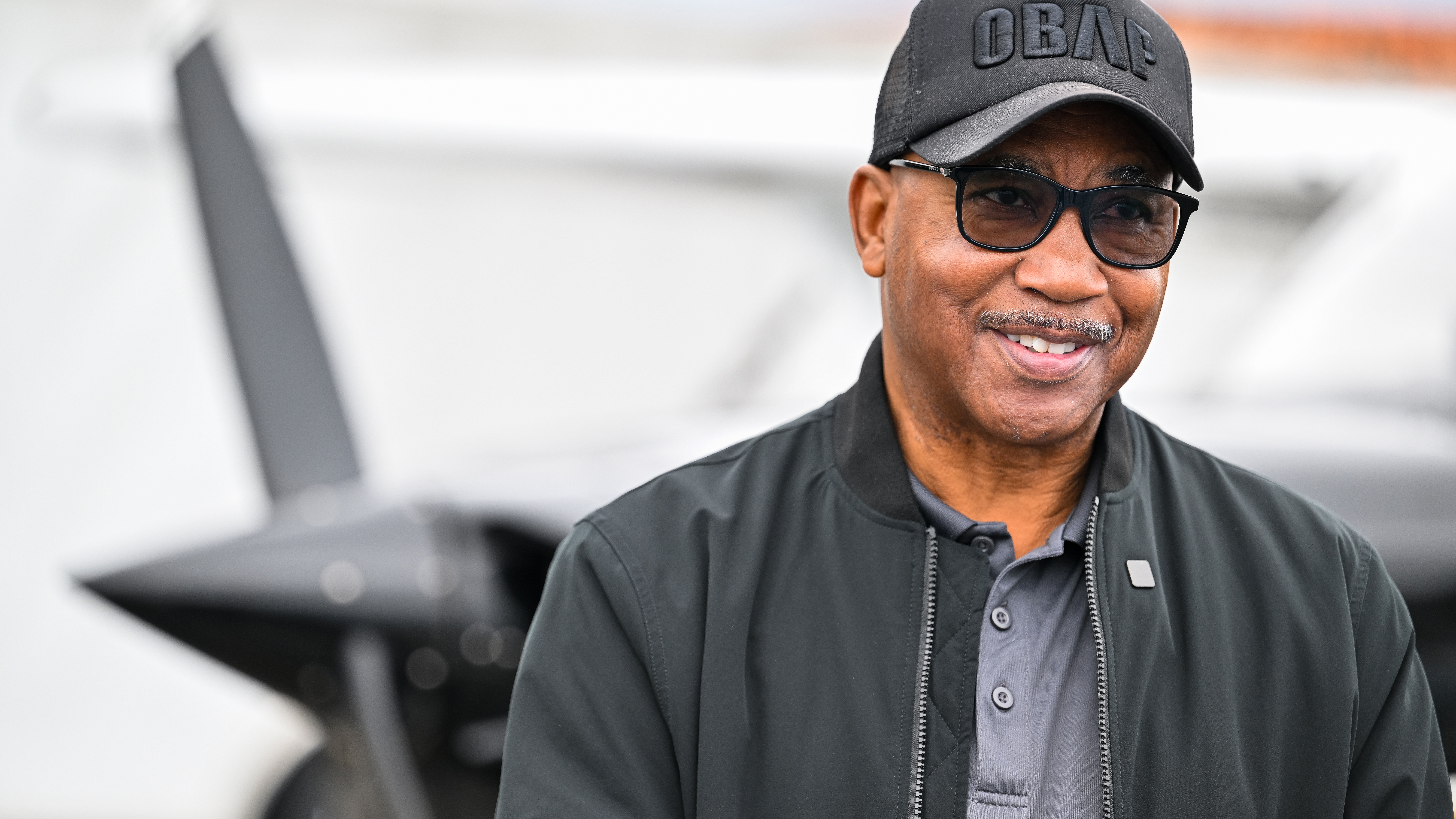
—Albert Glenn
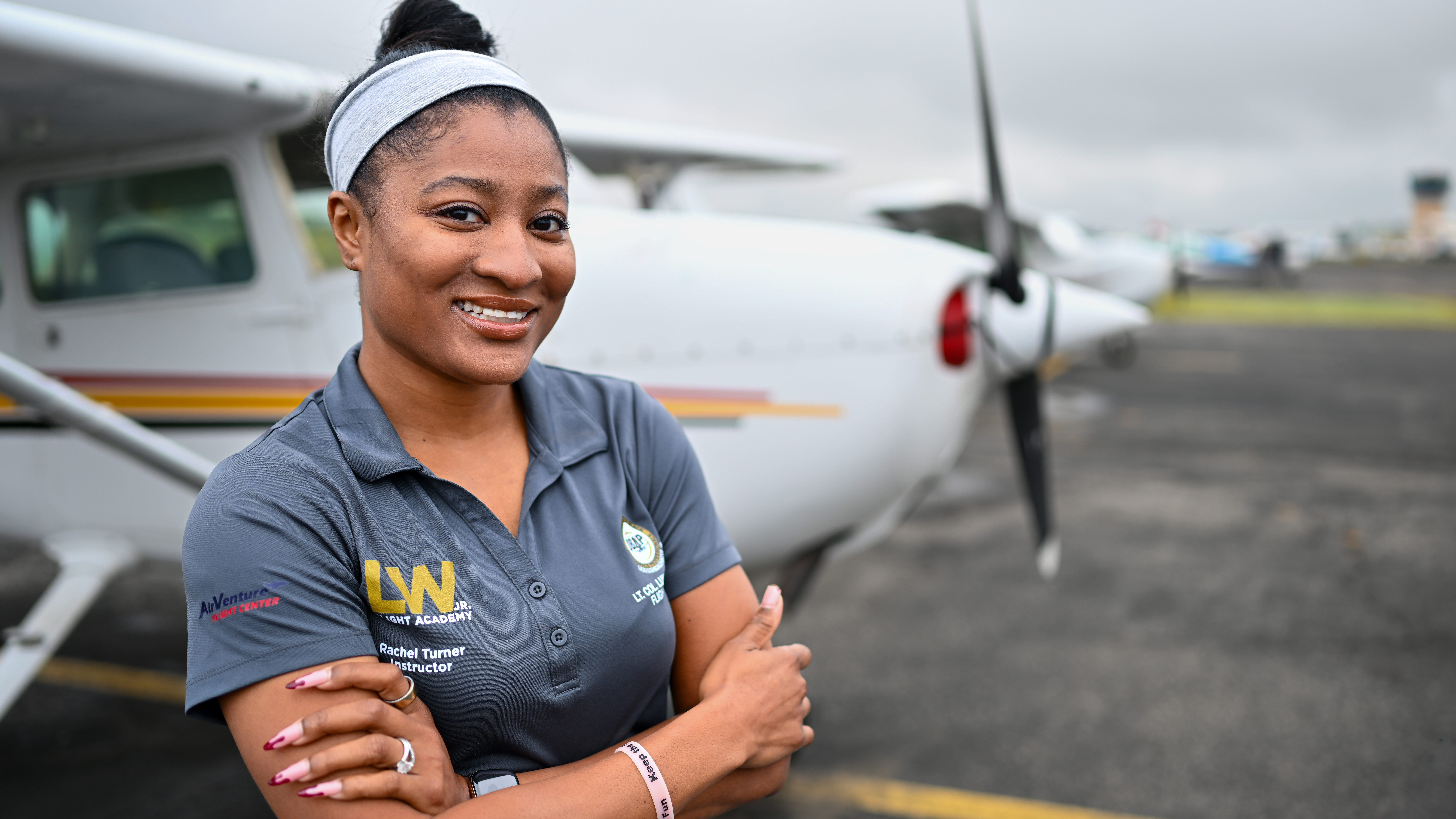
—Rachel Turner
Who was Luke Weathers?

“Any time you see those that are not the ‘normal’ look, whether it be minority, or gender, it makes a difference because it lets students and young people know that anything is possible,” Glenn said. “Having a school that has a mixture of diversity gives an opportunity for the students we bring out to see aviation and not see it with the typical vision that they have, but that it’s possible for anybody.”
Black pilots are still a “needle in a haystack,” as Rachel Turner, a CFI at the LWFA who has earned all her ratings through the academy, put it. According to the 2024 Bureau of Labor & Statistics Report, only 3.4 percent of professional pilots and flight engineers are Black, and the FAA reports that in 2024 about 7 percent of certificated pilots were women. To Turner, that representation means “everything.”
“Having a community you can lean on, who have gone through the same things you have gone through, who, one day when you see them in the airport, you automatically have that connection,” she said. “There’s definitely room for plenty more. There’s no crabs in a barrel; there’s room for everyone, no matter where you come from—the more the merrier. The more diverse the skies are, the better it is for the aviation community as a whole.”
In many ways, the LWFA is like many other flight schools. Walking through its doors, the strong smell of drip coffee and a faint smell of 100LL permeates through rooms stacked high with copies of the FAR/AIM and textbooks. But it’s clear that the LWFA exists to uplift. Photos on the walls proudly show some of the first students to graduate from the academy. Luke Weathers Jr. himself appears on the walls, alongside countless other African American aviator trailblazers, who serve as living reminders that there is “room for everyone” in the skies.
And that really has an effect on the students. Just walking into the LWFA can be enough to show someone that their dream can be real, too.
“The biggest breakthrough I had in realizing that I could become a pilot was coming here and seeing people that look just like me, coming from the same background, same aptitude,” said Mike Anderson, a utility lineman who has taken on flight training at the LWFA to pursue his dreams of becoming a commercial airline pilot.
Anderson’s story is a typical one for the LWFA. Many students come into the academy from other careers. But between Glenn, the LWFA support staff, and the CFIs, many of whom have been in their same shoes; they’re able to find themselves in an aviation community that understands them and can support them through what can often be a daunting transition.


Pinch me moment
Even on a gloomy day, the academy is buzzing with energy. Ground school is always in full swing, and from simply sitting and listening in, it’s clear what makes the LWFA special. On a day that would have some student pilots moaning and groaning over another canceled lesson, the hallways are filled with laughter and spark, a testament to how the academy’s community and mentorship make all the difference.
“It’s like a pinch me moment,” said Turner. “Going from being a student to an instructor, now mentoring students and them reaching out to me, I remember when that was me and I was reaching out to my instructor [for mentorship].” Turner started her aviation career as a flight attendant. After being furloughed because of the COVID-19 pandemic, she decided to pursue her dreams of being a pilot.
“OBAP has supported me from the very beginning,” Turner said. “I’ve been able to apply for various scholarships, and when I transition [to the airlines], I will be debt free.”
Glenn recognized that, like for Turner, one of the greatest barriers for a lot of those dreaming of pursuing their aviation dreams is cost.
“All the airplanes we have are donated to the flight academy,” said Glenn. “It gives us a chance to keep the cost reasonable and also to be able to be here with those in this area, especially those here at the area, who can provide mentoring to our students.”
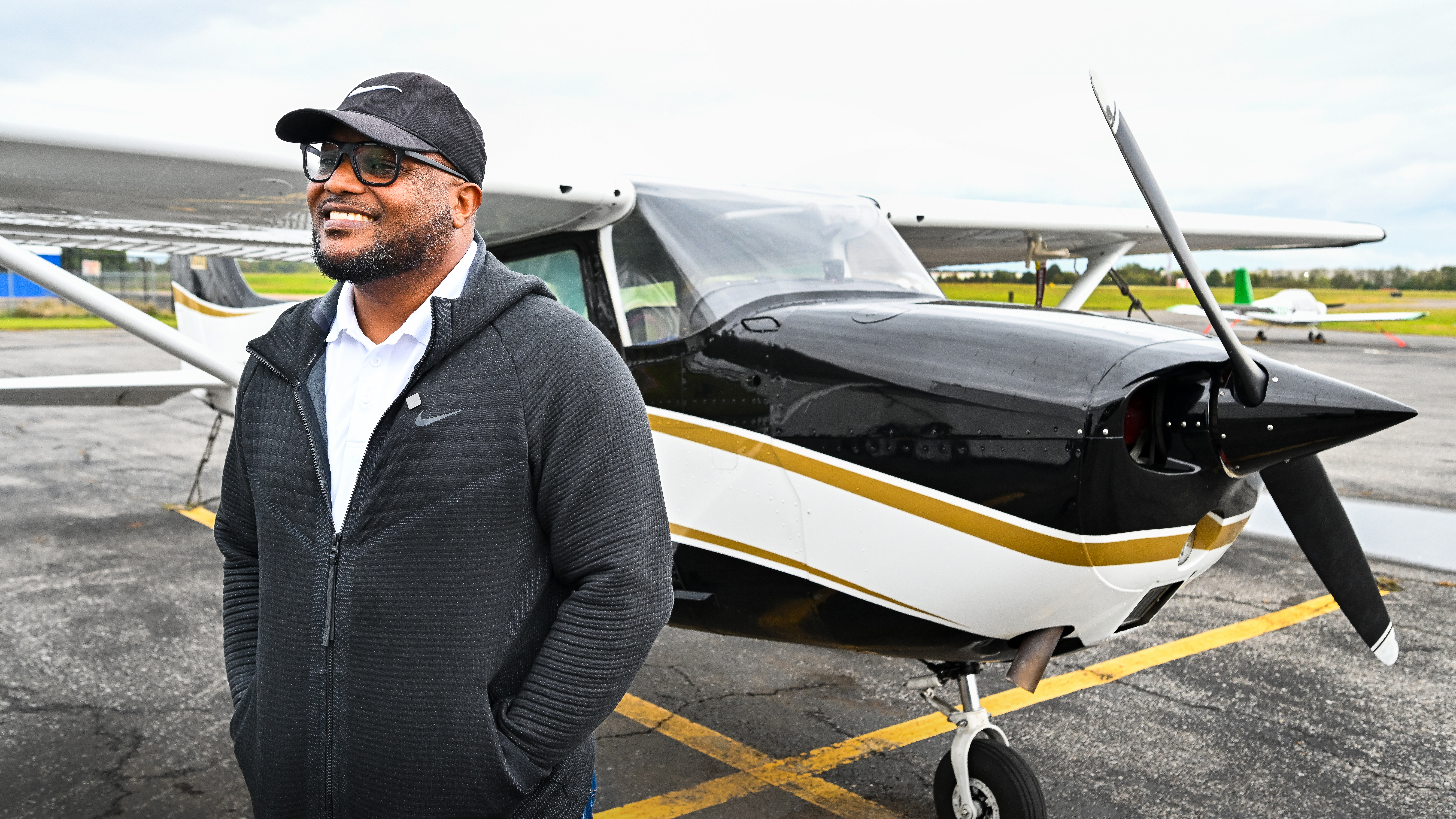
—Mike Anderson
As a nonprofit, the academy works to keep costs low and to connect students with the financial resources they need, like OBAP scholarships. The LWFA also maintains active partnerships with airlines to provide direct pathways from the academy to airline jobs and help students mitigate costs.
Former students and CFIs still make frequent visits back to check in with their students and friends at the academy—a true perk for the student pilots, given that some CFIs lose touch with their training roots after moving up to the airlines. At the academy, they’re welcomed back with hugs, handshakes, coffee, and a sense of camaraderie and family that goes beyond aviation.
“Whenever OBAP calls me, I will always answer that phone call,” Turner said. “The various mentors I’ve met through OBAP are very near and dear to my heart, I still keep those relationships today. I let them all know that just because I’m not a student pilot anymore, I’m still going to call, I’m still going to reach out.”
There’s no shortage of flight academies—just down the ramp at the Olive Branch Airport is a flight school and one of the major national academy chains. But what makes the LWFA special is its community. Teenagers, FedEx employees (which is headquartered nearby), utility technicians, flight attendants, and people from every background come together to support each other in pursuit of their dreams. Some of them come in before an eight-hour night shift just to take flight lessons, and it’s not just an appointment with a CFI. The entire community around the school is there to lift them up. In milestones and hardships alike, they’ll be there for their little corner of the Mississippi aviation community. 

Related Articles


