Autopilot upkeep
Think long-term when it comes to repairing vintage systems
By Larry Anglisano
With the budget already stretched during major avionics upgrades, it’s tempting to skip a new autopilot upgrade and keep an older system running by repairing and overhauling major components. That isn’t always a bad plan for systems that are working well and still supported, but if you plan to keep the aircraft for the long haul, you might be throwing good money after bad on major repairs.
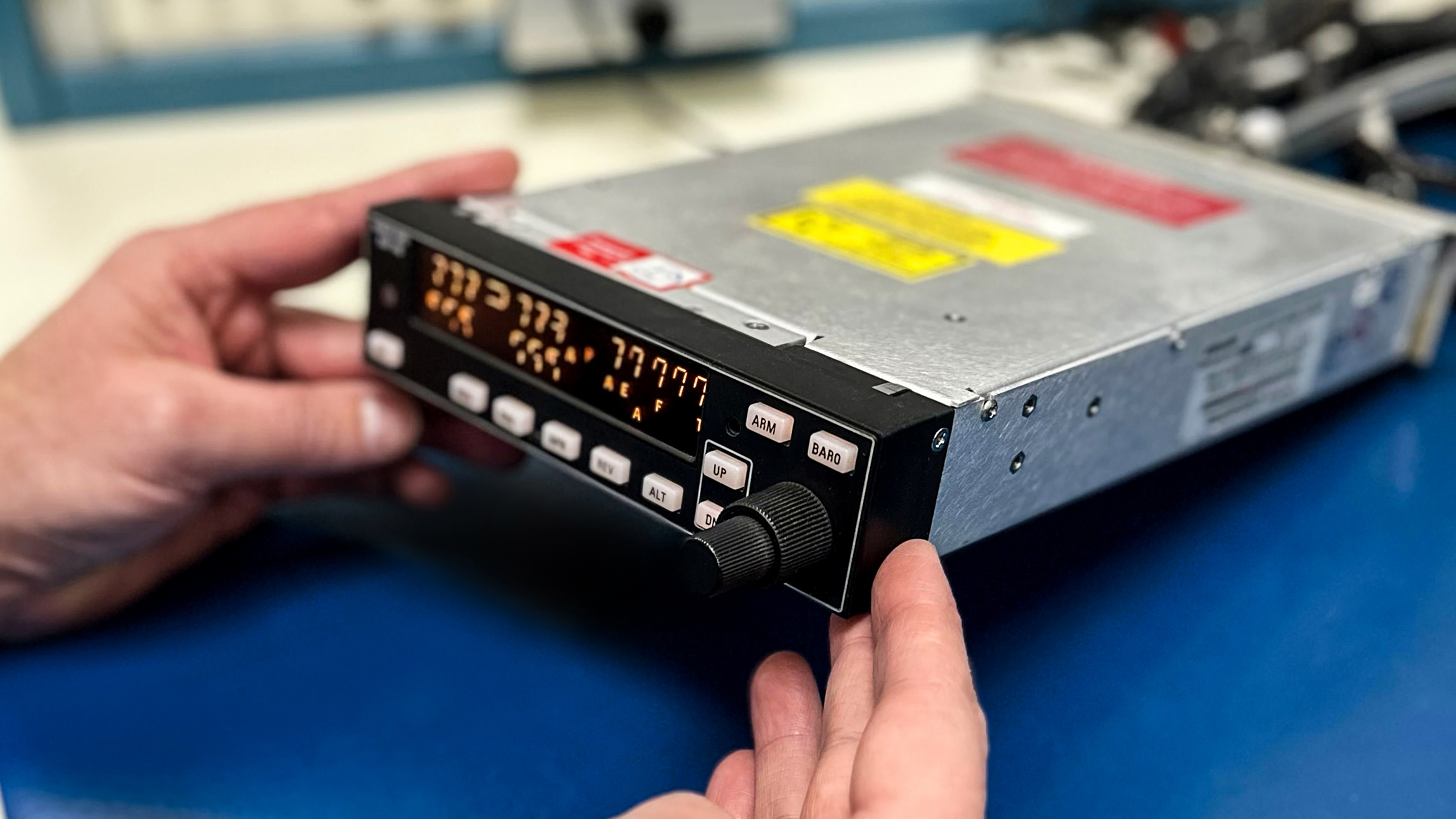
Moreover, service parts for vintage autopilots are becoming difficult to source, while many shops have stopped working on autopilots completely. Here’s a general guide for helping with the decision.
System architecture
The first step in the decision is understanding the system’s architecture—or which components on the instrument panel work with the autopilot. There are two kinds of systems: rate based and attitude based.
In a rate-based system, the electric turn coordinator directly drives the roll signal to the autopilot computer, which in turn drives the autopilot’s servos. Common rate-based systems include all vintage analog S-TEC autopilots, some Cessna/ARC autopilots, and the King KAP140—which is technically a digital system driven by an analog mechanical turn coordinator. It was standard in new Cessnas starting in 1998 and had its share of problems. Rate-based systems provide some level of redundancy, since a vacuum failure has no effect on the electric turn coordinator’s operation. On the other hand, if the turn coordinator tanks (or there’s an electrical system failure), the autopilot goes down.
But more reliable turn coordinators—made by Mid-Continent Instruments and Avionics—with brushless motors and long service lives, have increased the reliability of rate-based systems. I like that the newer generation turn coordinators don’t have brushes to produce carbon issues, plus the autopilot valid-flag circuit is based on the gyro’s rotor speed, not just the input power. Older turn coordinators were susceptible to carbon buildup due to the wear from the brushes into the commutator. A lighted model 1394T101-14RB turn coordinator with autopilot output has a list price of $3,247, but an overhaul exchange unit might be less.
Replacement aside, understanding the failure characteristics is important. As one example, a failing turn coordinator rate gyro will often cause intermittence that’s apparent right at start-up. In S-TEC systems, the roll computer won’t pass the self-test until the turn coordinator’s rate gyro spools up to a given rpm, which is converted to signal voltage. Voltage fluctuations may cause the system to engage some of the time but not come up at other times. An excessively noisy turn coordinator could also be a clue to its health.
Worth mentioning is that the turn coordinator in a rate-based autopilot only provides reference to the roll axis. Any pitch reference is provided by a pitch computer, often connected to the aircraft’s static system.
Attitude-based autopilots, on the other hand, rely on the spinning attitude gyro (or the digital reference in an electronic flight instrument system) with electric pickoffs for the roll and pitch reference. Systems that use a spinning attitude gyro include the King KFC150/200 series, Bendix systems, higher-end Cessna/Sperry autopilots, and higher-end Century/Piper autopilots.
Obviously, autopilots driven by old-school vacuum-driven attitude gyros will fail during vacuum system failures, but there’s a misconception that the autopilot will always hard-over when the gyro or vacuum system quits. In most cases, the failure is more subtle (though some can be attention-getting), and you might not immediately notice there’s a problem. The autopilot could slowly wander in both roll and pitch modes or simply disconnect.
It’s important to understand all normal and abnormal operating conditions. The best place to find this information is in the aircraft’s flight manual, or if it’s an aftermarket autopilot, in the flight manual supplement. Most autopilots have a before-flight self-test procedure.
Parts supply issues
The post-COVID supply chain problem might be behind us but shops I talk with unanimously report that sourcing repair parts for vintage autopilots and the gyros that drive them is a growing problem. As an example, a big expense (and challenge) in keeping the popular King KFC200 working is servo repairs. But here are more.
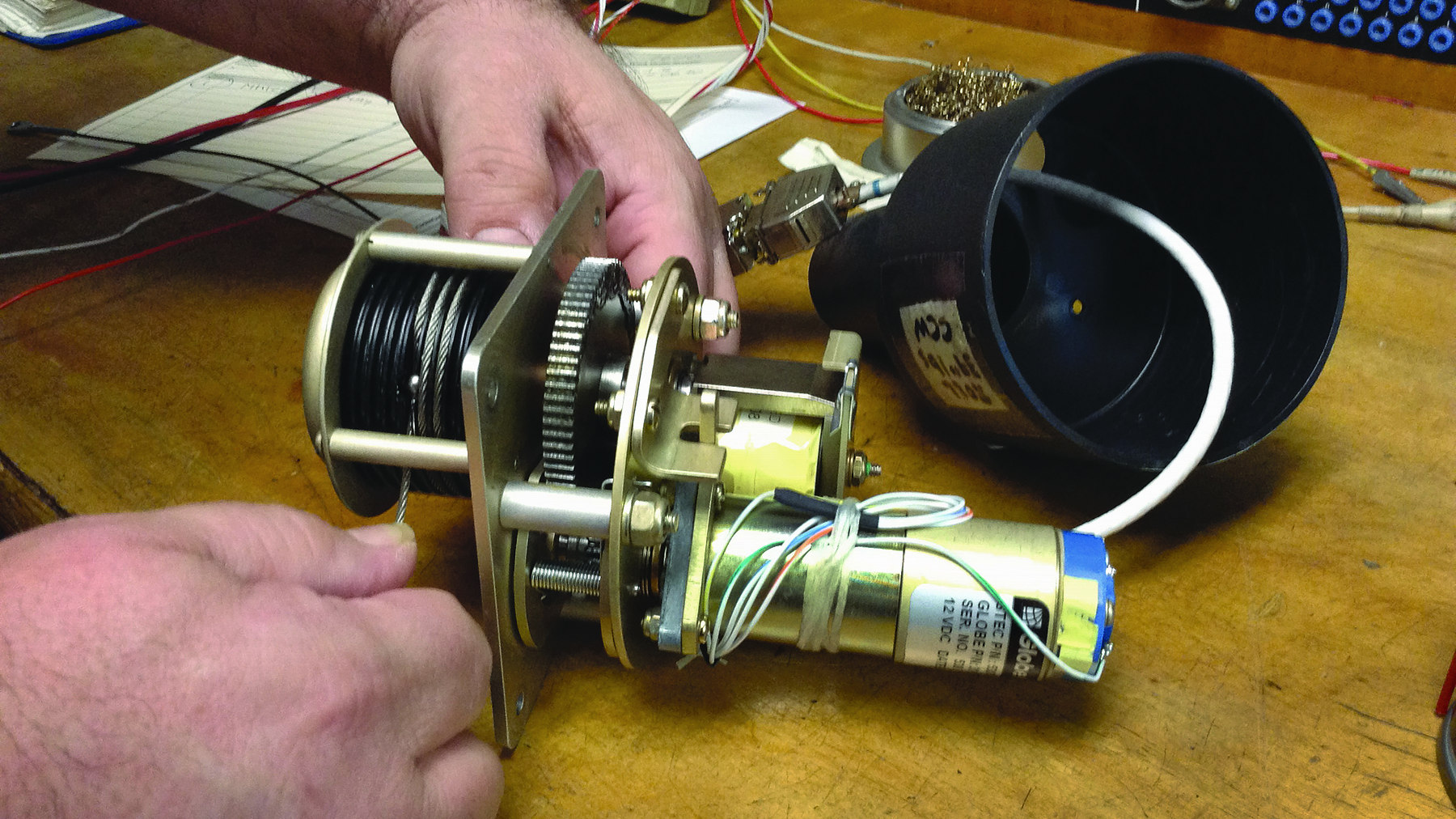
On the shop level, technicians say it’s challenging to source small parts like capacitors, accelerometers, and light bulbs, plus more substantial components, including servos motors, servo clutches, strain gauges, and feedback tachometers. Sourcing these approved parts in the aftermarket (and scavenging them from removed systems) is one thing. But my sense is the biggest challenge is getting OEM repair parts, which means the most respected and experienced autopilot shops are dropping support of common systems. Century Flight Systems, which for years offered good field and factory support at its Texas facility, closed. That makes working on—and sourcing parts for—Century/Piper flight computers a huge challenge.
Cost of upkeep
Factoring in the cost of upkeep is important, especially when it comes to maintaining iron gyros that are integral to attitude-based autopilots. Consider that the typical overhaul cost for the King KI-256 flight director gyro ranges from $2,500 to $4,000, depending on the mod status and serial number.
For vintage S-TEC systems (handled by Genesys Flight Systems), prices are all over the board depending on the level of repair that’s needed. S-TEC autopilots repairs fall under a minor- and major-level repair schedule with many components carrying flat-rate repair pricing. You’ll want to start with a shop that’s experienced in troubleshooting autopilot problems because their diagnostics fees will be above and beyond what the factory charges for the component repairs—as minor as they may be.
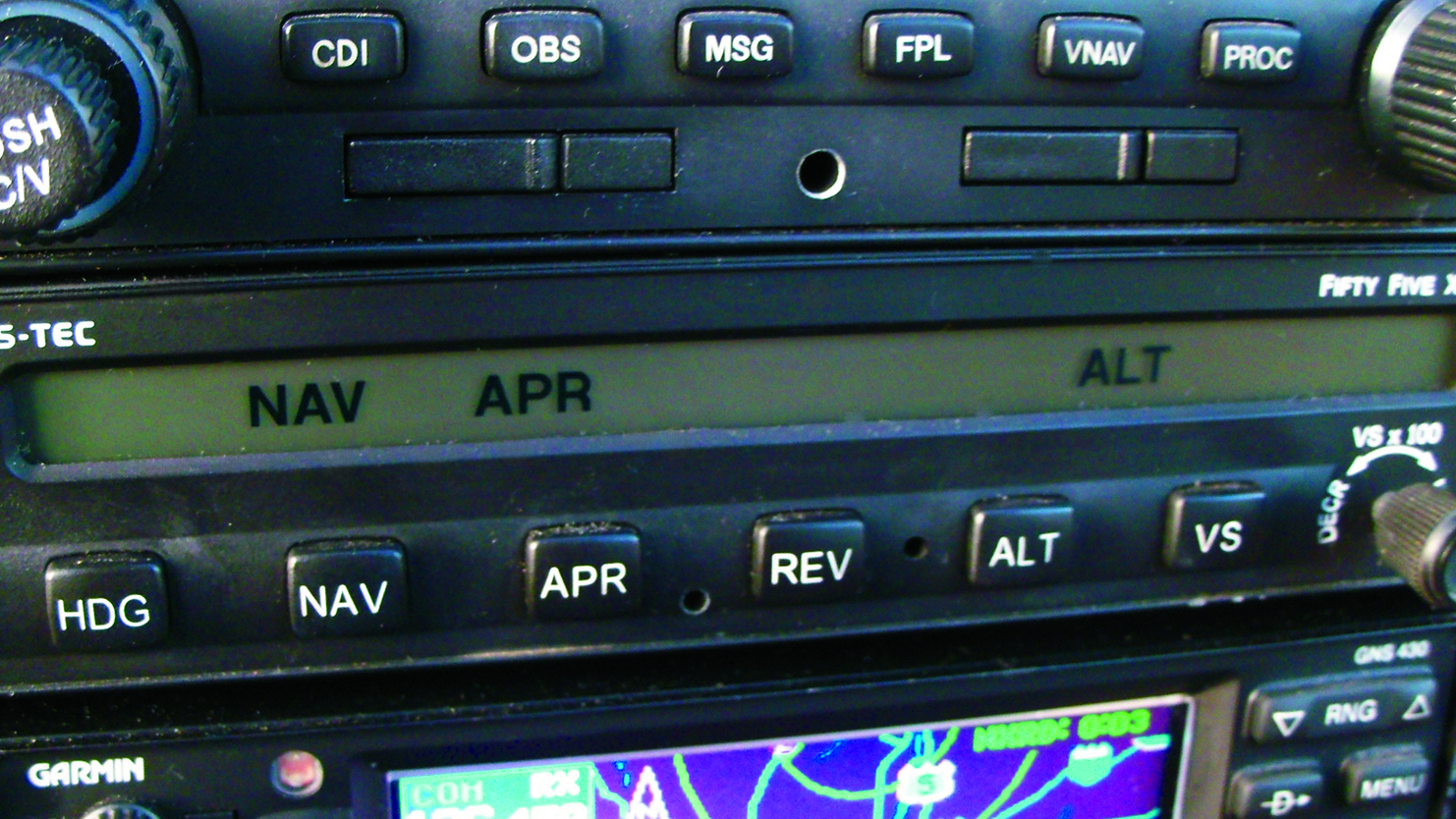
For S-TEC components, a minor-level repair covers diagnostics and troubleshooting of units to the component level without replacing PCB assemblies or major components. Using the popular 55X programmer/computer as an example, you’ll pay nearly $3,000 for what Genesys considers a basic repair. The lower-end System 20/30 roll computer/programmer (which is self-contained within the turn coordinator) is shy of $1,500. Major-level repairs cover diagnostics and troubleshooting of articles to the component level, plus replacement of PCB assemblies or major components. A major-level repair is just shy of $4,000 for the 55X and around $2,000 for the System 20/30 computer. Standard servos can range from around $700 to nearly $2,000. Some components have flat-rate overhaul pricing. If a unit is found to require an overhaul, S-TEC will contact the dealer for approval prior to performing the overhaul and the dealer must supply written documentation authorizing the overhaul. If no fault is found, you’ll still be billed nearly $1,000.
To put all this into perspective, consider that Garmin’s GFC 500 has a starting price of $9,625. While you’ll still need to upgrade to a compatible Garmin EFIS, it’s easy to argue that its money better spent than maintaining older systems. My advice is simple: When faced with any major autopilot repair, or overhaul/replacement of the legacy instruments that drive it, get a proposal for the installation of a new system. If you plan to keep the airplane long-terms, the economics may make better sense.
Drop-in systems
Both Avidyne and Genesys offer digital autopilot systems that are intended to easily upgrade older analog systems. Avidyne’s DFC90 is a proven good performer, especially in earlier-generation Cirrus SR20/SR22 models with the S-TEC 55X system. One of the main benefits of upgrading (aside from the standard envelope protection, digital circuitry, and overall improved performance) is a straightforward installation that utilizes the existing S-TEC servos and much of the wiring that’s already in place from the 55X.
The Genesys 3100 digital autopilot is also designed as a drop-in for existing S-TEC systems. Compatible with digital pitch and roll sources via EFIS displays from Garmin and Aspen, it has supplemental type certificate approval for a variety of Cessna models including the 310, 177 Cardinal, 210 Centurion, and 182 Skylane models, plus some Beech Bonanzas, Piper Saratogas, and Malibus, and some turboprops. But as seamless as these installs might be compared to starting from scratch, it means you’ll want to start with fully functional servos, and it’s highly recommended to send the servos back to the factory for evaluation. Some shops won’t even attempt to do the install unless the servos are checked.
Find the right shop
Unfortunately, finding a skilled shop that can repair vintage autopilots isn’t as easy as it once was. Shops can’t find skilled techs to replace the ones who have retired, plus many shops just aren’t set up to work on older analog systems. Using the King KFC150 as an example, even conducting a system alignment is a tedious process and many shops don’t have the time and skill for it.
Before venturing on a major autopilot repair, ask the shop if it has experience working on the system in your airplane. Some problems might be related to control cable tensions and rigging, which requires the right service manuals. Additionally, does it have the right test equipment to diagnose the problem?
Newer digital systems are far easier to work with, since many of the alignment and setup functions are accomplished via software accessed on one of the flight displays. This easy upkeep (and better ability to diagnose problems) is convincing enough to make the big investment for a new digital system.
Last, sometimes you don’t have to replace the entire autopilot if the servos and flight computer have been well maintained. For aircraft that still support iron gyros that feed the autopilot, removing them in favor of digital gyros is a good way to inject new life and tighter performance into an older analog autopilot, while ridding the high cost of maintaining the old gyros. Talk with your trusted shop about the best solution based on compatibility and condition of the system in general. 
Larry Anglisano is an aviation journalist with over 30 years of experience as an avionics specialist. He is an active land, sea, and glider pilot, and part owner and builder of a Van’s RV–12.
Related Articles


