Challenge yourself
Make flying the pattern more interesting with these skill-building exercises.
It’s a fact of life for any flight student that you will be spending a lot of time flying the pattern of your home airport.

In the initial phases of flight training, “drilling holes into the sky” to acquire and perfect your basic skills is a good thing. It is absolutely necessary, and very relevant to the phase of training you’re in.
Flying the pattern is a compressed way of dealing with everything that happens in a flight from A to B, just a lot more quickly: takeoff, climb, cruise, descent, and landing.
But once you’ve gotten the hang of that, and you’ve gotten a taste of cross-country flying, at some point you’re going to have to get back to the basics to perfect those skills ahead of your checkride.
So how do you make the pattern interesting when you’ve seen it, done it, been there, and gotten the lousy T-shirt (127 times before)? How do you do yet another lap in the pattern without it becoming tedious and falling asleep at the yoke? What’s the secret to keeping the pattern interesting?
One of the best ways to keep boredom at bay is to set specific goals for each flight. Rather than simply completing a series of takeoffs and landings with a tiny bit of cruise flight between them, focus on improving one particular skill. For example, one lesson may be all about maintaining precise airspeeds on final approach, while during another you concentrate on improving your radio calls or runway centerline tracking. Having a clear objective for every lap transforms a routine practice flight into a purposeful and deliberate learning experience.
Another fun way to improve your skill set is to think about making your movements even more exact. There are tolerances in the airman certification standards, but imagine setting a personal benchmark target that’s more precise, as if those official ones didn’t exist? (Your examiner will be really impressed!)
Strive for smoother, softer landings, or an aiming point that will stretch your skills. What about attempting a power-off 180-degree landing like commercial students have to master? More accurate altitude or speed control, or better coordination during turns are also things you can test yourself on. Even small improvements can become rewarding milestones that keep your training engaging and keep you at the top of your game.
Maybe go fly patterns at another airport? Practicing with different runway lengths or widths, as well as in different airport environments, adds to your aviation knowledge toolbox when it’s time to go do it for real.
Your technology can help you here, too. After every flight, it’s fun to go back and review your performance on your tablet’s electronic flight planning software, see what you did when and where, and compare that to how it felt. And of course you can rate yourself on how accurate you were. Examining approach paths, altitude consistency, and airspeed management can turn every training session into an opportunity for self-improvement. You’ll be astounded at how much progress you’re making.
Your instructor should also know how to keep you interested and paying attention. Creative exercises like sudden simulated emergencies or precision touchdown challenges will add a realistic element to the training while reinforcing skills.
By setting goals, seeking precision, embracing variety, leveraging technology, staying curious, collaborating with instructors, and tracking progress, students can transform routine training that may feel like a chore into an engaging and rewarding experience. These habits not only make learning more enjoyable and exciting but also contribute to your being a safer and more proficient pilot once you’ve finally snagged that certificate.
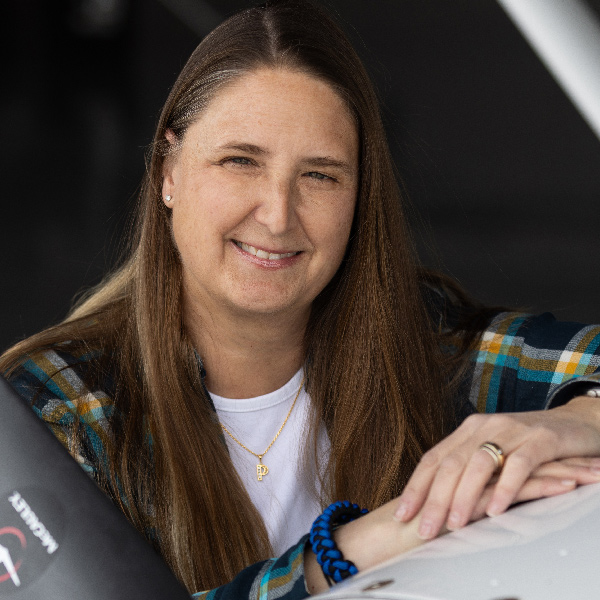
Pilar Wolfsteller is an instrument-rated commercial pilot and CFI.
airsafetyinstitute.org
Related Articles


