Starlink excitement
Hi-def data at your fingertips
By JP Dice
I’ll admit it. I’m a weather nerd, geek, or whatever you want to call me.
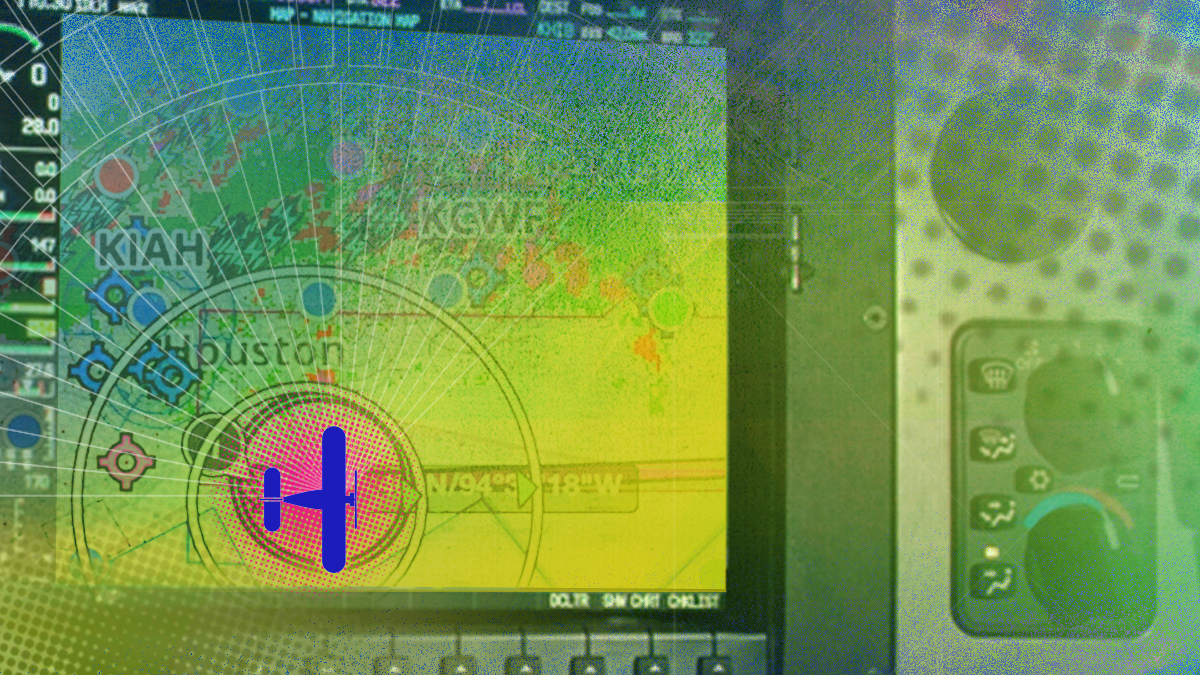
Turns out, my passion for weather and background as a meteorologist is the perfect companion for my second career as a professional pilot. There’s recently been an incredible development for my desire to have better weather data in the airplane: Starlink satellite.
I still remember how exciting it was when satellite-delivered weather first became available—but Starlink brings that same feeling to an entirely new level. Early on, it was a very affordable option for most general aviation pilots. My complete setup cost under $400 for the Starlink Mini, with a monthly service fee of just $65. Recently, however, Starlink increased its aircraft pricing to $250 per month for airplanes operating up to 300 mph (see “Out of Reach?” p. 90). For pilots and owners who still need in-flight internet access, the weather data is an added benefit. The compact antenna fits neatly in the rear window of my Cirrus SR22 using a simple suction cup mount. With this setup, I have reliable access to high-quality weather data, full internet connectivity, and even clear phone calls—all from the cockpit.
Every data product you have available on the ground via apps like ForeFlight is now available in the air. Prior to Starlink, many of the options for weather were not available. With Starlink, you can look at pireps, high-resolution visible satellite imagery, surface maps, prognostic charts, and everything in between. You can visit websites like aviationweather.gov while airborne and select any data products and overlays while you cruise at 10,000 feet.
Unlike traditional datalink weather systems, which can be limited by lower resolution and slower update rates, Starlink enables access to high-definition data directly from internet-based sources. Pilots can use advanced radar applications like RadarScope or ForeFlight’s radar display to view single-site Nexrad imagery, detailed satellite data, and frequent updates that go far beyond what is available through conventional satellite weather feeds. This level of connectivity enhances situational awareness, allowing pilots to make more informed decisions when navigating weather.
I want to stress that Starlink does not provide live radar. The only option for live weather radar is having an aircraft-mounted radar system. I was alarmed to recently read in some discussion groups that some people believe Starlink provides live radar data. Nexrad has an inherent delay because it is a volume scanning radar. The strength of Starlink is the ability to access super high-resolution and single-site Nexrad data giving you the ability to see better storm definition. The display resolution is the same as what you may be accustomed to seeing while watching weather storm coverage on TV.
Another major advantage of having in-flight internet access is the ability to view ground-based weather cameras. This relatively new feature in ForeFlight gives pilots the opportunity to visually check airport conditions in real time. It’s an incredibly useful tool, allowing you to confirm what’s actually happening on the ground—visibility, cloud cover, and runway conditions—before you even arrive.
My SR22 is equipped with Starlink, FIS-B, and SiriusXM Aviation weather. Each system has its strengths, but Starlink has completely changed the way I experience weather in flight. Traditionally, datalink weather is reliable, but it often comes with limitations—lower resolution, slower updates, and gaps in coverage at times. Starlink bridges that gap by bringing full-internet connectivity to the cockpit.
Starlink service has proven to be highly reliable overall. During flights, I have observed occasional brief dropouts, but these have been infrequent and well within acceptable limits for in-flight connectivity. In general, the system has delivered consistent coverage and dependable service, making it a strong solution for inexpensive airborne internet needs.
For me, it’s not just about convenience—it’s about safety and decision-making. If you need internet access, the side benefit of an almost unlimited array of weather data is added value. High-resolution weather at my fingertips allows me to better anticipate changing conditions, avoid turbulence, and plan more efficient routes. It’s like having a personal weather center in the cockpit.
And yes, I know some pilots will roll their eyes at the “gadget overload,” but for someone obsessed with the skies, it’s a game changer. 
JP Dice is a veteran meteorologist, flight instructor, and corporate pilot flying Cessna Citationsand Gulfstreams.
Related Articles


