
Aircraft Maintenance: Leaking propellers
Reseal, repair, or overhaul?
At some point in the life of a constant-speed propeller, it happens: Tiny dots appear on the windshield. Your propeller is leaking oil. What you do—and when you do it—requires informed decision-making to protect both your safety and your wallet.

Most general aviation constant-speed propellers are hydraulically driven. The propeller governor is a variable-speed, high pressure oil pump. The propeller control allows the pilot to adjust the governor output flow rate (and resulting propeller pitch) to maintain a constant engine speed (the governor has centrifugal flyweights that vary the oil output pressure to make this possible). The oil is then fed through a transfer collar into the hollow forward section of the crankshaft and into the propeller dome. There, it actuates a piston that adjusts the pitch of the propeller blades through linkages to the blades. Understanding how your propeller works can help you determine whether a leak is due to normal wear or signals an impending failure.
The engine oil flowing from the engine to the propeller should never leak out of the propeller. If it does, it means that the internal piston or the O-ring sealing the propeller to the crankshaft is leaking. If engine oil leaks into the propeller hub cavity, it can cause a hydraulic lock and prevent the piston from moving. This is a serious issue and can prevent your propeller from working properly.
Some of the most critical parts of a constant-speed propeller lie outside of the piston, but within the hub. This is where the propeller blades are securely retained while still allowed to rotate to change pitch. Depending on the make and model of the propeller, this portion of the assembly is lubricated by grease or oil. McCauley propellers use red dye in the propeller hub, so consult a mechanic right away if you see red oil coming from your propeller. There are seals (or sealant) at the seams where the hub is assembled, but the most common leaks occur at the blade root.
When you think about the forces at work at the blade shank, it’s a wonder that every propeller isn’t leaking. As the propeller spins, enormous forces are trying to pull the blades outward. The blades are held in place by retention systems of ball bearings or rollers that work against very high centrifugal, bending, and twisting loads. In the midst of this lies the lowly O-ring around the propeller blade shank, in perpetual battle to prevent grease or oil from departing the hub as the propeller spins and the blades rotate to change pitch.
Over time, these O-rings can lose their flexibility, get stuck, or wear away at the aluminum hub. This is the cause of most propeller leaks. Once it starts, it’s unlikely to get better. However, McCauley offers a procedure that you can try in an attempt to remedy an O-ring leak (you can try it with other propeller makes as well): Essentially, the propeller is thoroughly cleaned, then, with the engine running, the propeller pitch is cycled at least five times from low to high pitch. Once the engine is shut down and the propeller is inspected, cleaning up any oil that may have leaked during the engine test, the process is repeated. If the rate of leak decreases during the second test, the propeller may be kept in service for up to 20 hours before being sent to an FAA-approved propeller repair station. If the leak increases, the propeller must be repaired immediately.
According to Mark Hahn, general manager of Sensenich Propeller Service Inc., as propellers age and run through multiple overhaul cycles, they can be more likely to leak at this joint. This is because the blade shank is also where moisture can seep in and cause corrosion in the hub, requiring propeller shops to mill the surface to remove pitting within the manufacturer’s tolerances, keeping the hub in service whenever possible. One of the issues that Hahn noted was that, while O-rings are markedly softer than the aluminum hub within which they rotate, they can still wear away at the aluminum itself—leading to leaks and additional material removal at overhaul. However, there is a modification that can help reduce leaks while preventing future hub wear in this specific area.
The modification involves milling a channel into the hub into which Teflon material is inserted, allowing the O-ring to move and seal against the Teflon. This forms a better seal and, if the Teflon wears over time, it can be easily replaced the next time that the propeller is opened for maintenance. After speaking with Hahn, I recommend this modification for anyone having their McCauley propeller repaired or overhauled.
When faced with a blade root leak, the owner is inevitably faced with the decision of whether to re-seal, repair, or overhaul. Resealing typically only involves propeller disassembly, limited inspection, O-ring replacement, and reassembly. Repair (inspect and repair as necessary, or IRAN) includes the stripping, inspection, blade cleanup, re-profiling if needed, and re-painting of the blades. Repair can also include modifications such as adding Teflon inserts.
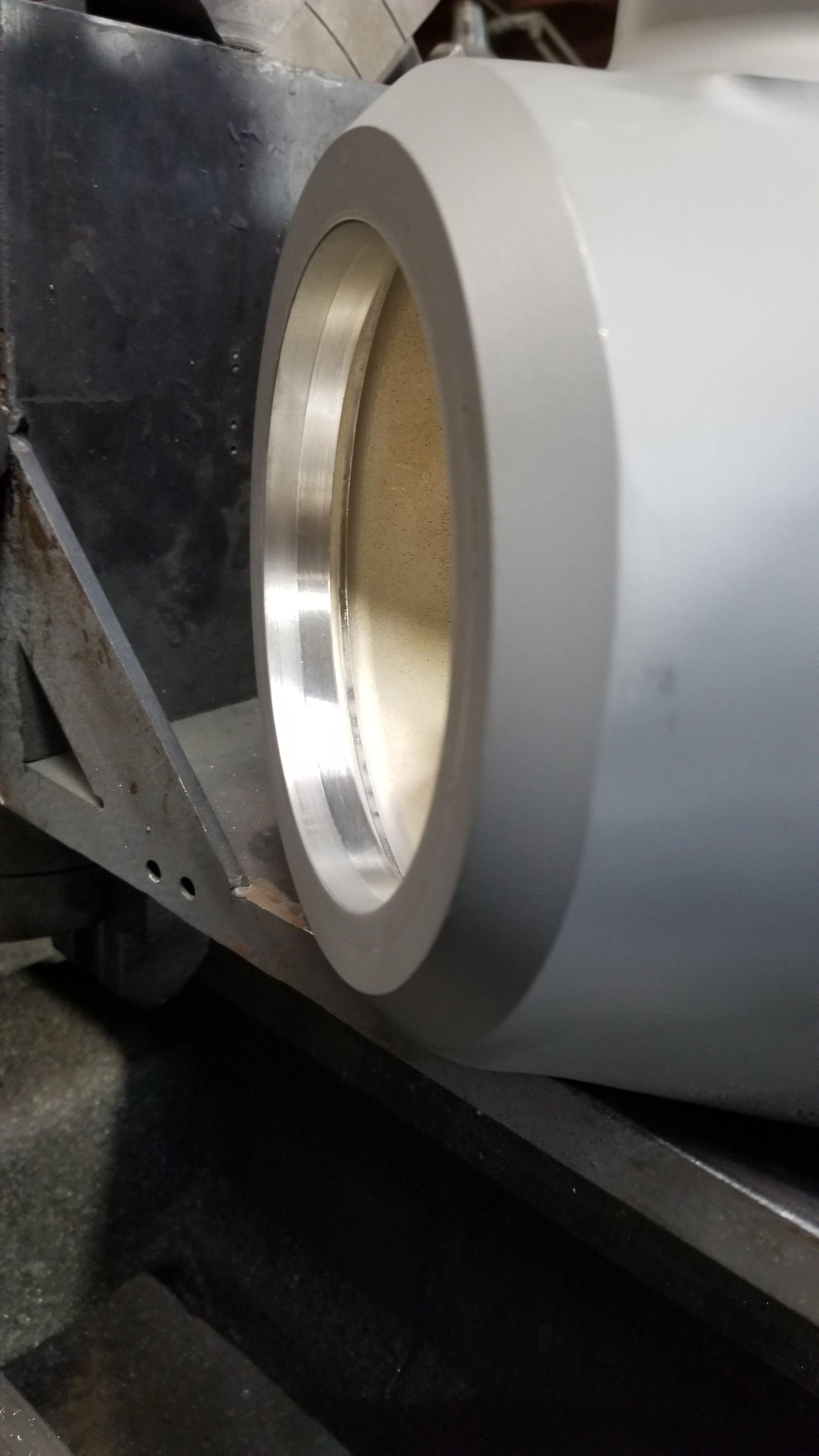
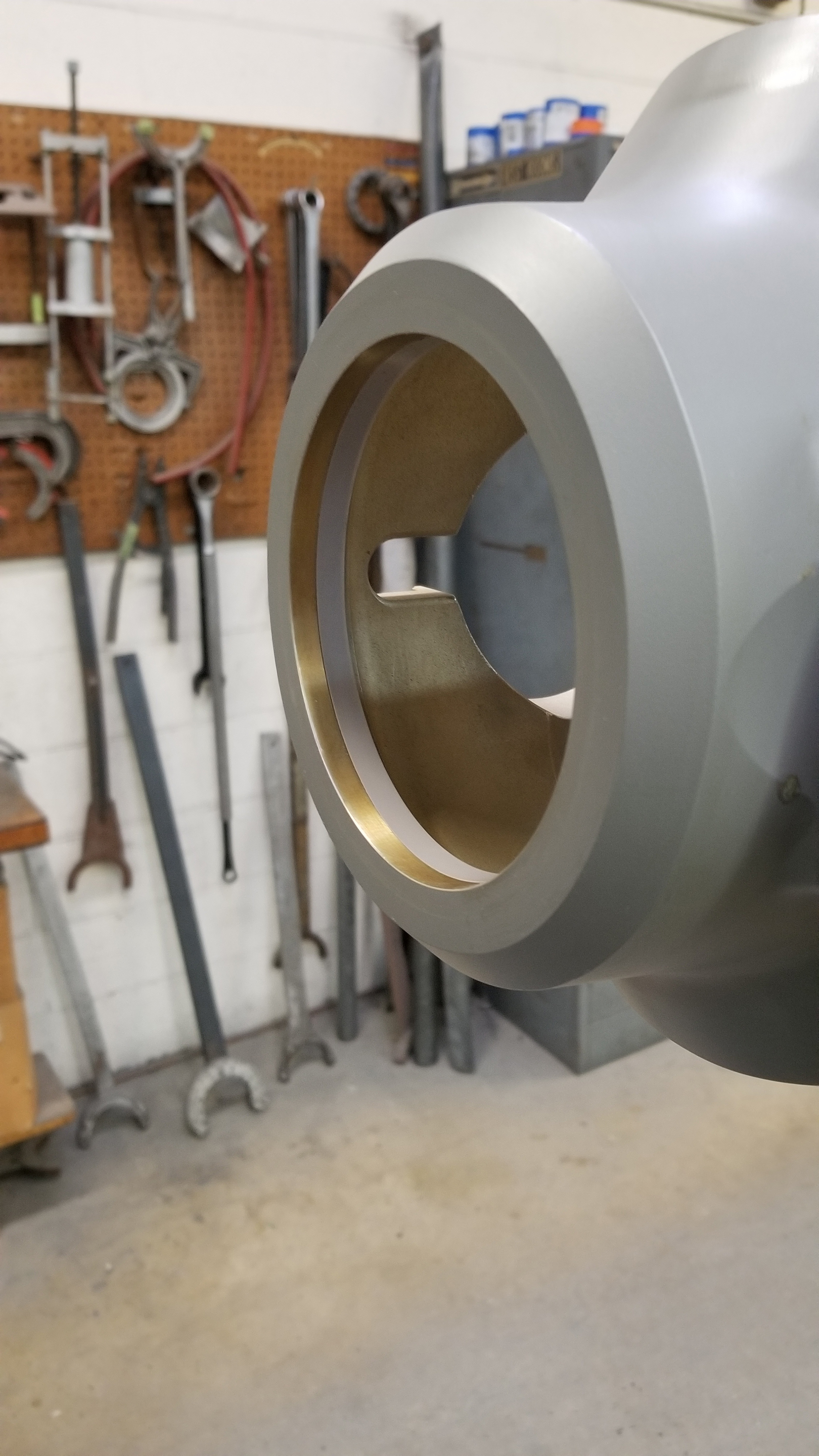
Finally, there is the option of a complete overhaul. Overhauls, by definition, must include the inspection of all propeller components to specific service tolerances, as well as mandatory replacement of all parts as required by the manufacturer’s guidelines. The advantage of an overhaul is that it resets the time between overhauls (TBO) for the propeller. The disadvantage of an overhaul is the increased cost for components that may be otherwise in serviceable condition, as well as the removal of additional blade material as part of a mandatory blade cleanup and re-profiling. Unfortunately, many propeller overhaul shops now have policies in place that require that any propeller entering the shop beyond the manufacturer's TBO guidelines must receive an overhaul, rather than an IRAN or re-sealing.
The best defense against a leaking propeller is to fly often. Propellers that sit idle for extended periods of time are much more likely to experience leaks at the blade root. Above all else, keep a keen eye out for leaks and identify their source before flying. Seek out the guidance of your local A&P mechanic when in doubt. Until next time, I hope you and your families remain safe and healthy, and I wish you blue skies.