Curiosity, craft, and courage
Content creator and mental health advocate overcomes challenges to stay in the air
 “I was a space kid, so I wanted to be an astronaut of course,” she says. “And I think the more I learned about both aero and astro, I realized that while I do love astro, I really love aero. And I was really enchanted by just the idea of being able to fly.”
She took her earliest lessons as a teen near where she grew up in Boston, and despite start-and-stop lessons based on finances and time, earned her certificate several years later while attending Case Western Reserve University in Cleveland for engineering. Following graduation, she was ready for a change, and at the end of 2019, had a job lined up in California.
“It was for an international company that has a huge presence in China as well,” she says. “They saw the pandemic coming before we did and actually pulled the offer in like December or January, right before the pandemic hit stateside. I had a little bit of time to not move, but decided that I was done living in Ohio. I wanted to live in California.”
She launched her DIY YouTube channel not long after that, right at the start of the lockdowns, when people had more time to consume content and sought projects to complete at home. Her first few videos went viral, jump-starting her now-full-time YouTuber life where she shares rocket, woodworking, and aviation builds and journeys with her significant online following
that includes over 500,000 subscribers on YouTube alone.
That’s nothing to sneeze at, but the social media game is always about more.
“Success on YouTube is a treadmill to nowhere,” she says, noting that chasing views, likes, and engagement can be a pain, but that it is a key part of her job along with paid sponsorships and some speaking engagements.
A sweet little 1946 Cessna 140 with only two previous owners popped up for sale at a local airport at the right time.
“Buying an airplane is either something you consider for a long time, or you get peer pressured into it and do it really spontaneously, which is definitely what happened to me,” she says. Her friends said she’d never be ready, but she would also never regret it.
“I had moved to L.A., I signed with an agency, I was scraping by. And then my YouTube channel kind of like took a turn where I suddenly had my first real check from YouTube. And I was like, OK, this could guarantee rent for the next couple months, or it could turn into an airplane, and it turned into an airplane quite quickly.”
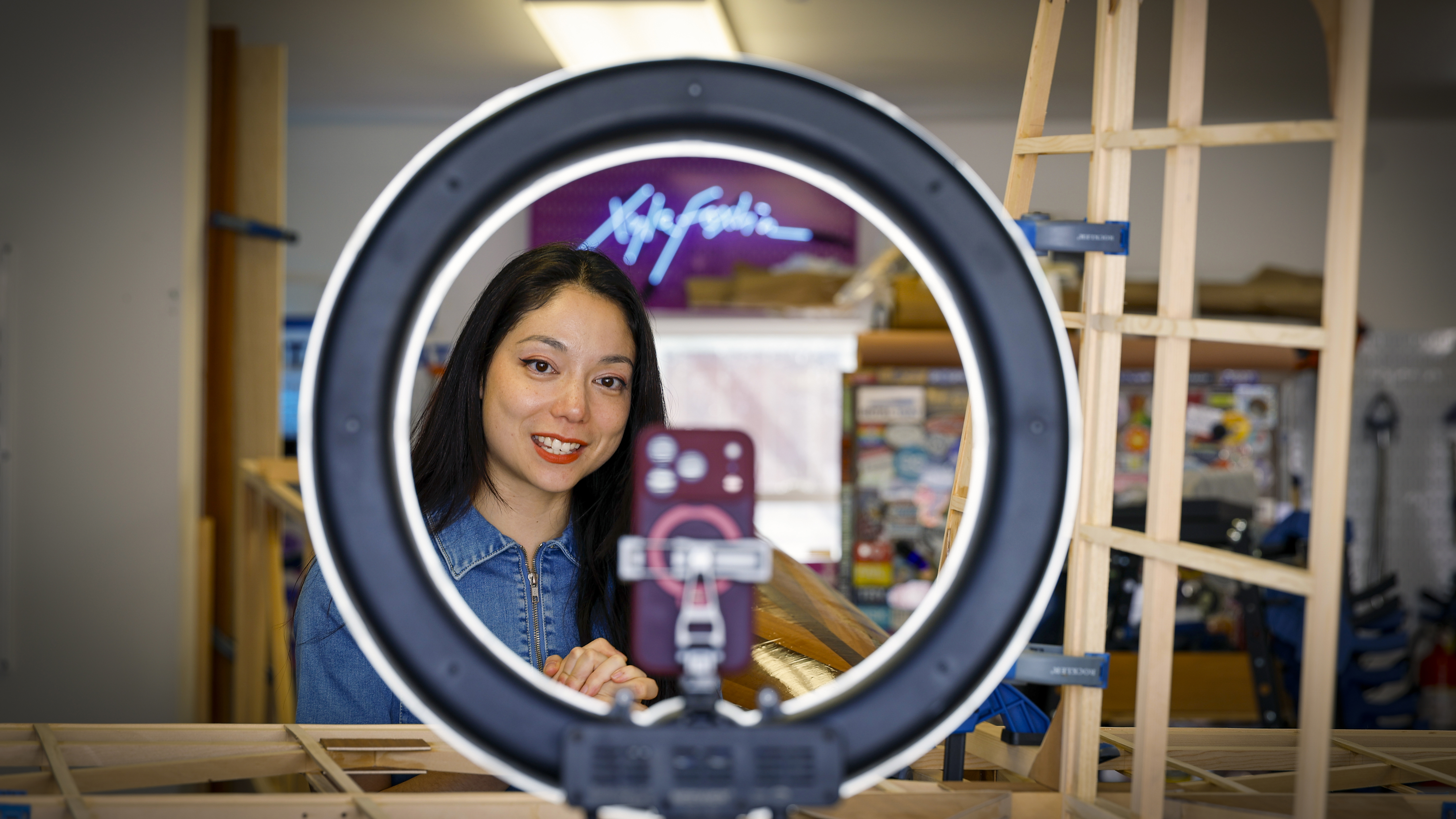


 She was living the dream—thriving in the content creator world in her chosen city and experiencing the joy of aircraft ownership for the first time. But life would take a turn after a routine medical procedure for a new intrauterine device (IUD).
“A couple years ago, I went and got my IUD replaced, a standard procedure. And it just made me depressed, like, instantly. Overnight. It was the strangest experience to walk in one person and walk out a completely different person,” she says. “And I reached out to my gynecologist about it, and she was like, ‘Oh, hormones wouldn’t affect your mood like this.’” Spoilers: They can, and they did.
Foxlin ended up reaching out to a variety of doctors, and everyone’s solution was to put her on antidepressants, which would have made it impossible to maintain her third class medical. Her frustration increased even as her mental health continued to impact her life.
“And so, I made a video about it and about my experience with the IUD,” she says. In the video, she candidly explains her feelings of depression following the IUD.“In hindsight, a very arrogant perspective to have, this idea that’s like, well, maybe I’ll just fix the whole system.”
“The night before I posted the video, I sent it to a bunch of friends,” she says. Reactions from her pilot friends were split. “Half of them were like, shut up, sit down, keep your medical. Flying is the thing that gets you through the hardest days. Like, why would you risk that? And the other half were like, well, we are all suffering in silence. And you’re the one person that might be able to do something about it, and you don’t fly for a living, so.
“I went into posting the IUD video knowing that losing my medical was a risk and that it was a risk I was willing to take because if it lit a fire [in me] to get this changed for all pilots, then maybe that would be a good thing,” she says. “In hindsight, a very arrogant perspective to have, this idea that’s like, well, maybe I’ll just fix the whole system.”
After she posted the video, it was indeed reported to the FAA, and her medical was revoked. Thus began her bleak and expensive Human Intervention Motivational Study (HIMS) psychiatry appeal process, with $4,000, 60-minute appointments with “inconclusive” results, legal fees, and stress, all while her airplane sat on the ground. In total, it has cost more than $20,000 trying to get her medical back; she’s heard numbers of up to $80,000 for pilots in similar circumstances. Foxlin estimates that she’s spent more money fighting the FAA than she’s spent on her airplane.


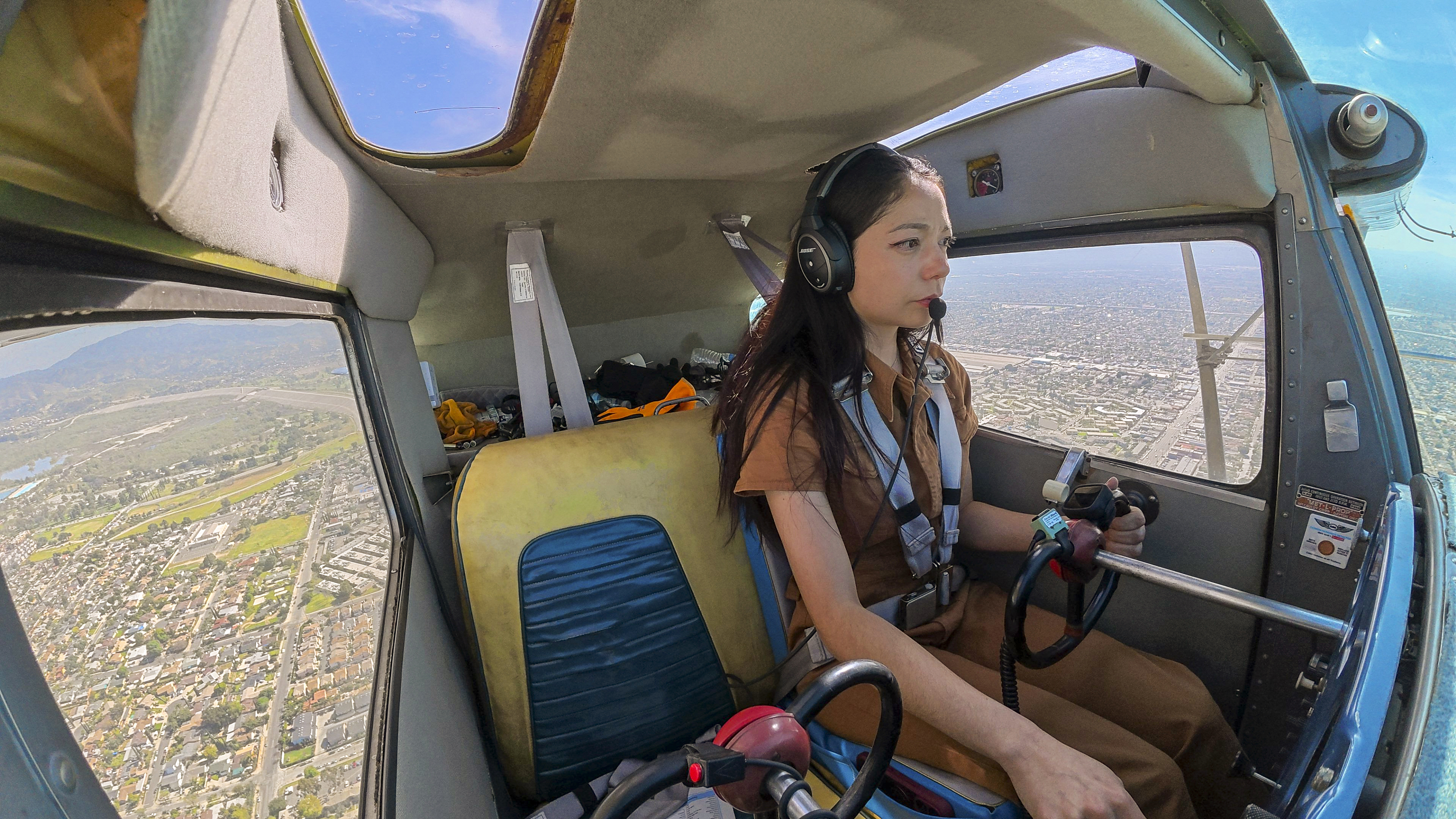
“I would not wish it on my worst enemies because it was that bad,” she says. “I would wish it upon the person who reported it.”
She doesn’t regret posting the video and everything that’s come after, but there were times she thought her wings were clipped for good. She went so far as to get ready to sell her airplane, but when it came down to it, backed out of the sale. She wasn’t ready to give up hope yet, as painful as it was to see her airplane sit grounded.
Her first lawyer was “useless” and did more damage than help. Her second lawyer, though, helped her put together an “airtight” case amid the bizarre IQ testing, puzzles, and whole-life medical history from childhood to gynecology that the FAA required; all things she notes are not terribly relevant to flying.
Once Foxlin and her lawyer were satisfied with what they’d compiled, they submitted it to the federal air surgeon, knowing that if rejected, the next step would be NTSB court.
Foxlin learned via a post on a Wednesday afternoon that she got her medical back, about one year after she lost it.
“Luckily, I got a special issuance medical. And now I’m on BasicMed, so they can’t take that away. Well, they could, they could,” she says with a grimace.
Her immediate goal, of course, was to get back in the air ASAP. After a few hours in the 140 with a friend as a safety pilot, he deemed her ready to go (“I’d let you fly my airplane”). He hopped out to stand with a group of friends waiting to watch her fly.
“It almost felt like a first solo again, because I think there was a large part of me that thought I would never fly again,” she says. “And then I did.”
Our fight
For years, this fight has been her fight, but Foxlin hasn’t been alone. She stumbled upon the Pilot Mental Health Campaign at EAA AirVenture in Oshkosh after she’d lost her medical, and has since joined their efforts in support of the Mental Health in Aviation Act. She’s visited Washington, D.C., many times to talk with lawmakers on the Hill and advocate for pilot mental health reform, which, in this bill, specifically would include new provisions for medication and make therapy unreportable in the medical process.
“Aviation is having a mental health crisis,” she says. “Fifty-six percent of pilots have reported either avoiding medical care or lying to the FAA about medical care that they have received. Over 13 percent of commercial pilots report symptoms that would make them clinically depressed. And that number is almost 60 percent for aviation students. And the NTSB has said mental health is one of the biggest risks in aviation right now because what’s happening is [that] these laws or these policies are not just ensuring that pilots aren’t sad or that no sad people become pilots.
“It just ensures that no one gets help and no one gets treated. And depression and anxiety are very treatable things. And they’re also increasingly more common in this complicated, crazy world that we live in now.”
The Mental Health in Aviation Act has, as of this writing, passed in the House. The next step in the bipartisan bill S.3257/H.R.2591 is Senate approval, and Foxlin and the whole Pilot Mental Health Campaign are hopeful for real change.
“Every year, the Pilot Mental Health Campaign goes to Washington, D.C., and we meet with a bunch of Senate and House offices in groups to explain why this is so important. And every year, almost every single group has a family member of a pilot who has died by suicide,” she says. “Every single one always says that their family member just couldn’t imagine a life without aviation and knew that getting help would mean losing their medical.
“If they had just been grounded for that amount of time, they could have spent the rest of their life flying, and I know, having been there in the middle of it, that you can’t even imagine [waiting] that time out. You can’t imagine being grounded for six months. But inevitably, you will get to the other side. And that is the important thing, is that you survive so that you can fly again. When it comes down to it, don’t be afraid to get help. Everything else can be figured out later.”
None of us are immune to mental health struggles, and that’s why the Mental Health in Aviation Act is so important—it’ll allow pilots to get the help they need before they reach crisis. This is safety-critical to aviation. Mental health is health, and healthy pilots are foundational to the safe operation of the National Airspace System. As it is, the FAA has perpetuated a toxic don’t ask, don’t tell, suffer-in-silence environment around mental health that introduces preventable risk into our system. The time for change is overdue.
Thankfully, it seems like the time for change, ushered in by the Pilot Mental Health Campaign supporters like Foxlin, and Federal Air Surgeon Susan Northrup, might finally be now.
The next big thing
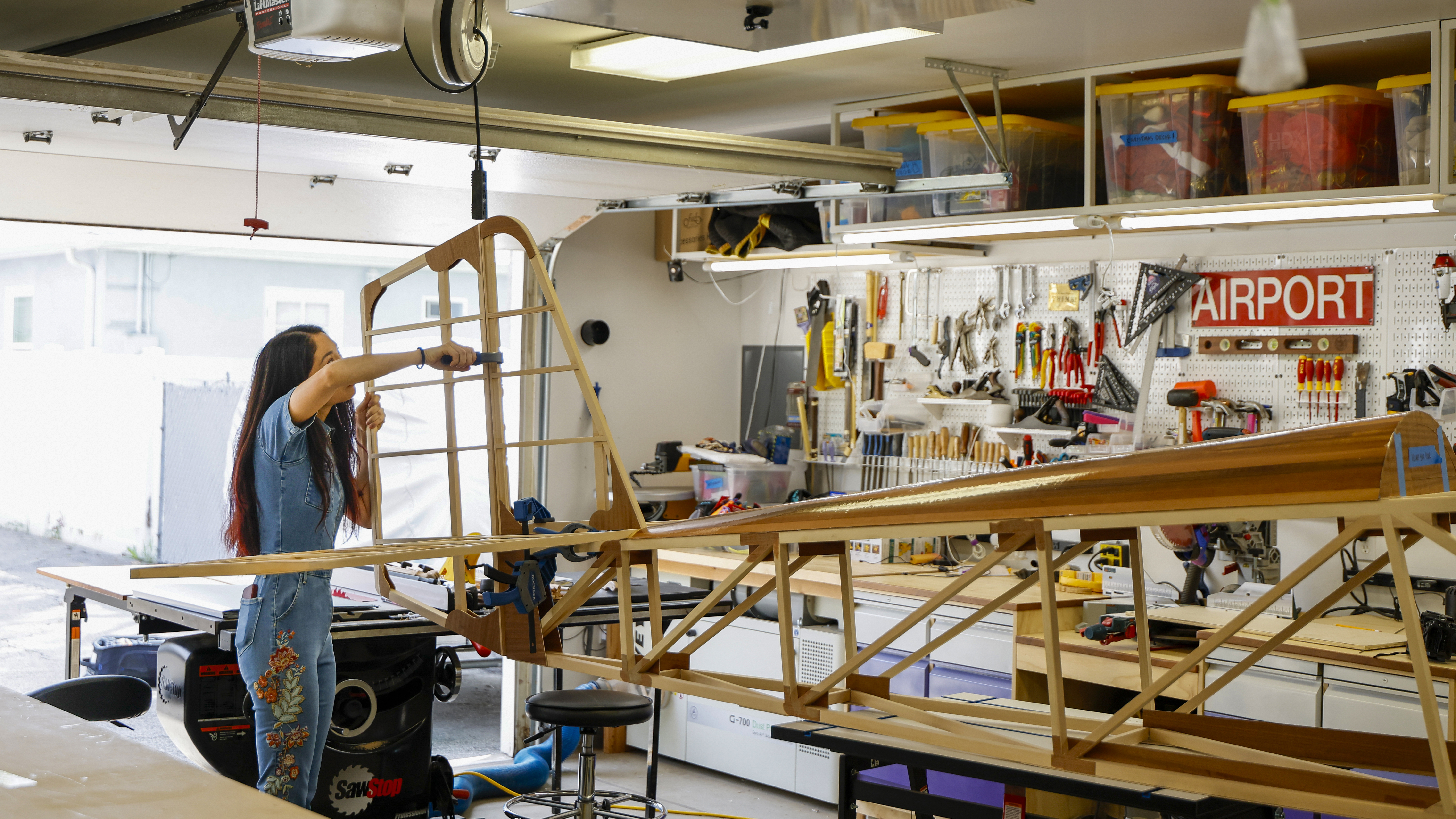
Foxlin’s next step? Other than seeing the Mental Health in Aviation Act become law, a new airplane. She’s working on building a Pietenpol Air Camper, which she chose to follow more “whimsy” in life, and because she wanted to build a wooden airplane. “It’s funny. Now all my friends are like, ‘oh, how is the airplane?’ And I’m like, which one?” she says with a smile. “And it’s really cool that now I get to be building an airplane, which is kind of an intersection of all of the things I love the most.”
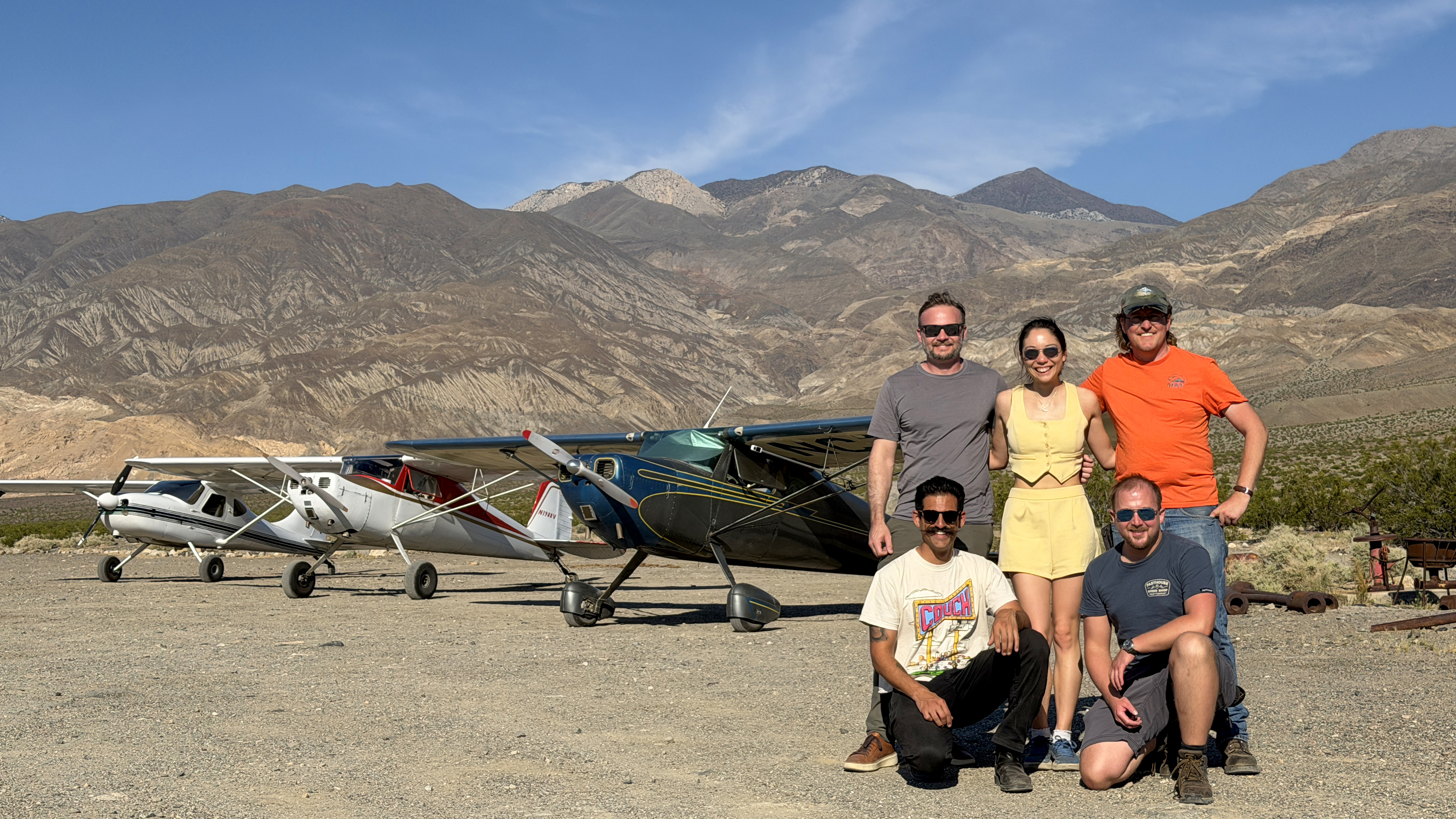
Her goal right now (which she notes might not be realistic) is to fly the Pietenpol to EAA AirVenture Oshkosh 2027, and to enjoy the fruit of her labor with one of her favorite parts of aviation—the community who showed up for her second first solo, encouraged her to buy an airplane, and adventure with Foxlin around California in vintage taildraggers year round.
“The aviation community is such a family, and I’m so grateful for it. I think I also got really lucky here in Southern California. There’s a lot of young people who fly, and there’s a lot of young people who fly old taildraggers, and there’s so many brilliant adventures to be had in an area like this, landing at mines on dry lake beds and going camping under your wing. I’m so grateful to have found a community of people who like doing it just as much as I do,” she says. “Aviation just brings people together.” 
 xylafoxlin.com
@xylafoxlin