The Flying Samaritans
Bridging Baja’s healthcare gaps
By Trish Dill
The Pacific horizon is endless, a silver line between sky and sea. Ahead, the dirt runway of Puerto Adolfo López Mateos (MX72) stretches along the edge of the water. No tower. No lights.

Often, a marine layer lingers over the coast, forcing the first pilots here to scout conditions and radio back. The hum of twin turbos steadies, airspeed bleeds off, and tires search for sand. For Flying Samaritans pilots, this isn’t an adventure flight, it’s the runway to a clinic where hundreds of people will soon line up for care they can’t find anywhere else.
The Flying Samaritans trace their beginnings to 1961, when two aviators diverted into the small town of El Rosario, Baja California, to escape dust storms. Welcomed warmly by villagers, they returned a month later, this time bringing clothing for children. A physician joined them, carrying his medical bag and offering care. At the time, there were no roads south of Ensenada, and the nearest medical services were more than 140 miles away. Aircraft became the bridge.
What began as an emergency diversion flight has grown into a movement of more than 1,000 members supporting more than 20 clinics across Baja. Today, Flying Samaritans chapters in Arizona and California sustain this work. All of it is volunteer: Pilots, doctors, nurses, hygienists, interpreters, and helpers pay their own expenses, often pooling resources to cover fuel and supplies. Every dollar donated goes directly into patient care.
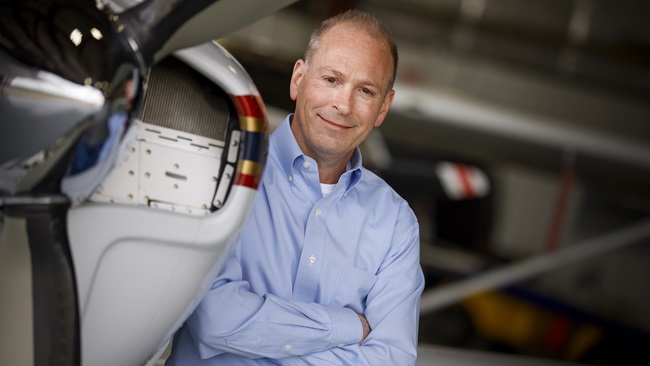
My husband, Brice Dill, is a volunteer pilot with the Flying Samaritans, and I ride in the right seat as a volunteer. At 47, Brice is considered young among this group of seasoned aviators, many of whom have been flying for decades.
Our six-seat Cessna 310R is more than just our family airplane, it is now also a mission aircraft. On each trip, it carries four medical staff doctors, interpreters, and dental hygienists, plus supplies that fill every available compartment. Flying into Baja is no light hop: Weight-and-balance calculations are critical, and each pound of gear means balancing fuel reserves and cross-border range. The 310’s performance and redundancy make it ideal for these demanding strips, bringing both the people and the equipment that turn an idle clinic into a lifeline.
Cross-border flying adds another layer of complexity. Mission pilots often rely on Baja Bush Pilots, an organization that helps manage eAPIS filings, border paperwork, and the maze of Mexican clearances. Once airborne, weather becomes the first challenge. Morning marine layers frequently obscure coastal strips, and it’s common for the first wave of pilots to depart early, evaluate en route conditions, and radio back reports to those waiting to launch behind them. That teamwork, one pilot scouting the skies for another, is what makes general aviation special.
Landing at Puerto Adolfo López Mateos requires stable approach discipline and careful load planning. It is precisely the kind of flying that makes general aviation unique: challenging enough to demand skill, but purposeful enough to make every checklist, crosswind correction, and fuel calculation worth it.
The first pilots on the ground unlock the clinic and get it ready. Because the building sits idle between trips, everything has to be prepped: exam rooms are opened, dental tools are sanitized, chairs and tables are wiped down, and supplies are unpacked and laid out. Much of the equipment is old and donated.
On the missions I have been on thus far, I’ve always found myself in dental. Sometimes it’s alongside Shelly, the hygienist, and other times I’ve assisted a couple of different dentists as their chairside assistant. In neighboring rooms, an OB-GYN sees women and children, a general physician treats patients of all ages and ailments, and a chiropractor husband-and-wife team provides care side by side. There’s also optometry, where donated glasses are matched to patients who may see clearly for the first time in years. Interpreters move between rooms, making sure patients and providers understand each other. The variety of care is staggering for such a small outpost.The pilots don’t only fly airplanes; they also roll up their sleeves in the clinic.

The pilots don’t only fly airplanes; they also roll up their sleeves in the clinic. My husband has worked in pharmacy and in optical, helping to distribute eyeglasses. Other pilots have done the same, jumping in wherever needed, handing out glasses, fixing a stubborn dental chair, or sweeping the floor. No one is above helping.
What strikes me most is the camaraderie among pilots. They arrive from Arizona and California, some flying Beechcraft Bonanzas, others in Cessna twins or high-performance singles. On the ground, type differences disappear; what matters is that each airplane, and each pilot, brought another piece of the clinic together.
On one mission, our Cessna was down for its annual inspection, but as a volunteer, I was still needed in the dental room, so I rode along with Chuck, a veteran pilot with more than 40 years of volunteer flying. As we cruised south, he shared stories of his other volunteer flying missions with medical clinics in South America, missions filled with grit, weather, and purpose. At one point, he dropped us just a few feet above the Pacific to see if we could spot whales.
Pilots like Chuck embody what the Flying Samaritans are built on: salt-of-the-earth aviators and highly accomplished in their own right. Business owners, retired professionals, and seasoned adventurers who choose to spend their weekends trading comfort for impact.
The same spirit runs through the medical staff. Many are leaders in their fields, dentists with thriving practices, surgeons with decades of experience, nurses who manage entire teams, yet they come to Baja for the same reasons the pilots do: the thrill of adventure and the chance to serve. They bring their expertise and pair it with flexibility, camaraderie, and humility, sharing in the unique experience of transforming a dirt airstrip into a lifeline. 
Trish Dill is a business owner and Flying Samaritans volunteer. She and her husband own a Cessna 310R Turbo.
 flyingsamaritans.com
Related Articles