
Aircraft Maintenance: Spring cleaning
As the weather warms and spring blooms, hangar doors begin to open and pilots gather at local airports, ready for a new flying season. But transitioning an aircraft from winter storage and preservation to active flying requires more than a routine walkaround and preflight.
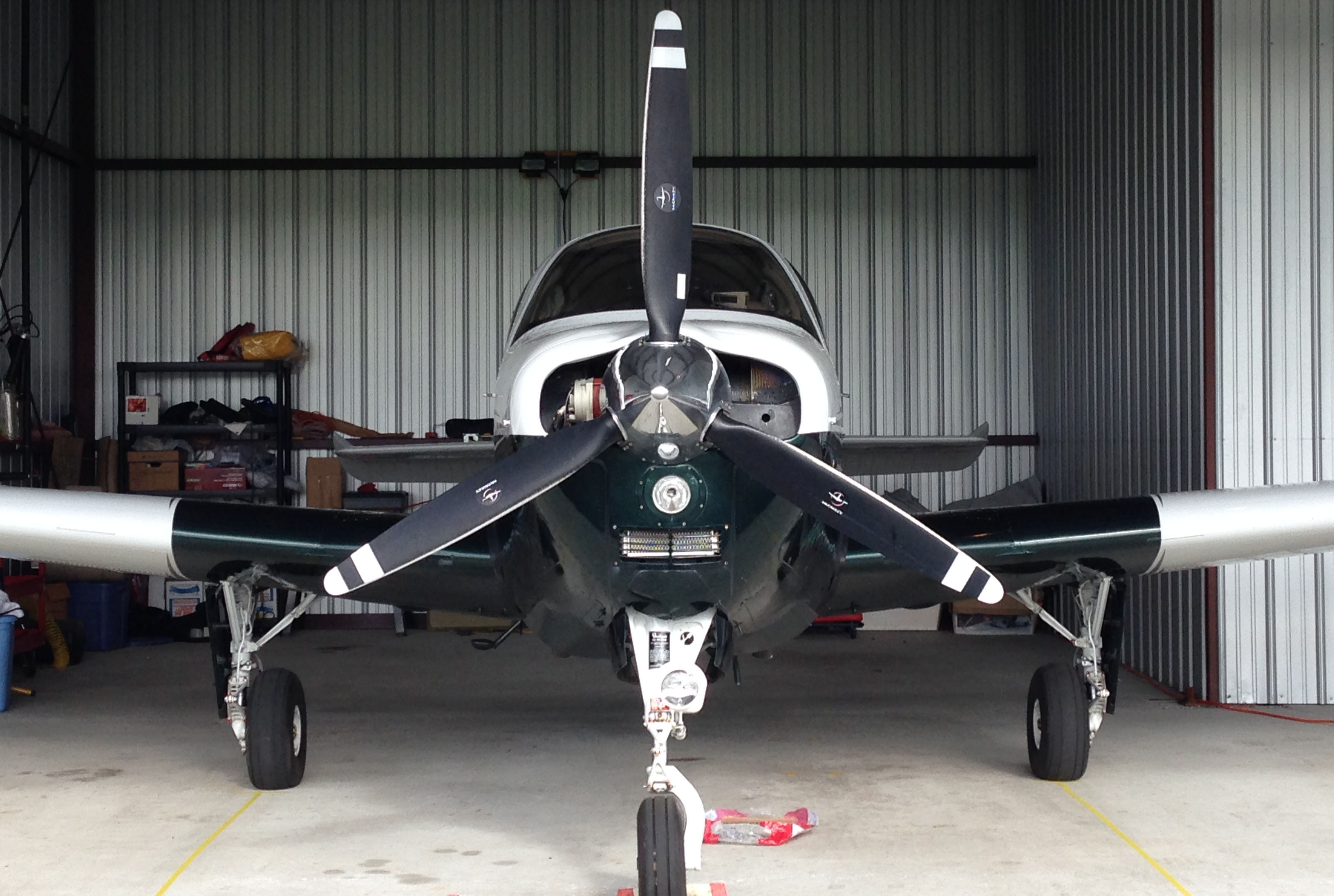
Many aircraft spend the majority of the winter sitting idle. During this time, greases and oils tend to dry up, leaving linkages and friction surfaces unprotected. Fuel and oil may also drain from lines, leaving systems unprimed. Lastly, inactive aircraft are prime targets for rodents, moisture, and other damage. Taking a systematic approach to bringing your airplane out of winter storage helps ensure you are ready for a summer of safe flying.
Cabin cleaning
Once the cabin is empty, you can vacuum and clean the carpets, seats, panel, and windows. Be sure to avoid anything with ammonia and only use plastic-safe cleaners, and only screen-safe cleaners on any avionics displays.
Airframe
From spinner to tail, the airframe should be carefully inspected, cleaned, and lubricated. Most airframe maintenance manuals include a lubrication chart and schedule, showing exactly what lubricants are needed at each location in the aircraft. LPS 2 or a similar all-purpose lubricant works well for most hinges and control linkages.
I recommend that every aircraft owner have a borescope, which is an ideal tool for poking around and looking for issues. You can peer into the tail and wings, removing a few inspection panels if necessary. Look for debris, white-powdery corrosion, and staining from leaking fuel or oil. It’s not uncommon for fuel tanks to begin leaking over the winter, especially if they are partially empty, allowing fuel vapors to dry out rubber fuel cells or sealant.
Check the landing gear, including struts, linkages, wheels, brakes, and tires. Be sure to move the aircraft to begin the process of evening out any flat spots that have formed on the tires. The warm weather will help round them out again.
Finally, give the aircraft a good washing and waxing, which will give you a fresh start and make cleaning off spring bugs an easier exercise.
Engine and propeller
The engine compartment should get a thorough inspection with the cowl off. Check every linkage for security and lubricate as specified in the maintenance manual. If it’s been more than four months since your last oil change, the oil should be changed regardless of the number of hours flown. If it’s been months since the engine was run last, it pays to fog the cylinders with oil or LPS 2 to reduce scuffing during that first startup. It’s also important to note that the oil system can lose its prime if left idle for long periods of time, so be especially vigilant looking for oil pressure in the green during that first startup. If you don’t see pressure in the first 30 seconds or less, shut the engine down right away and investigate.
The propeller should be inspected for nicks and dressed as required. Winter plowing can often cause gravel, dirt, or other foreign objects to get onto taxiways and runways, increasing the risk of prop damage. It pays to be vigilant and repair any damage promptly. Just as with oil priming for the pump, most of the oil can drain from the propeller hub during storage, so expect a few additional runup prop cycles before things return to normal operation.
Battery, electrical, and avionics
Unless the battery was connected to a battery tender, it should be charged on a high-quality charger. Then, every electrical system on the aircraft should be checked to make sure it’s working properly. Corrosion can develop over time, leading to electrical gremlins. It’s best to find and resolve any issues on the ground rather than in the air. The same is true for the avionics, including the autopilot. Every system should be carefully exercised before you go flying.
Start-up, shutdown, and final inspection
Once you’ve inspected everything and done your routine maintenance, it’s time to fire up the engine. Perform a thorough runup including a mag check, idle cutoff check, prop check, and maximum static rpm check. Listen carefully to what the aircraft is telling you. Our brains do an excellent job of pattern recognition, so if something seems different from what you remember, look into it. When the runup is complete, shut everything down and give the engine a careful inspection. If all goes well, check for leaks and get ready for flight.
Finally, treat that first spring flight as a post-maintenance test flight. Don’t carry passengers and remain within gliding distance of the airport while you verify that everything is working properly. After landing, conduct one more inspection, and you’ll be ready for another season of flying adventures. Until next time, I hope you and your families remain safe and healthy, and I wish you blue skies.