It’s not cheating!
The autopilot is an important IFR tool
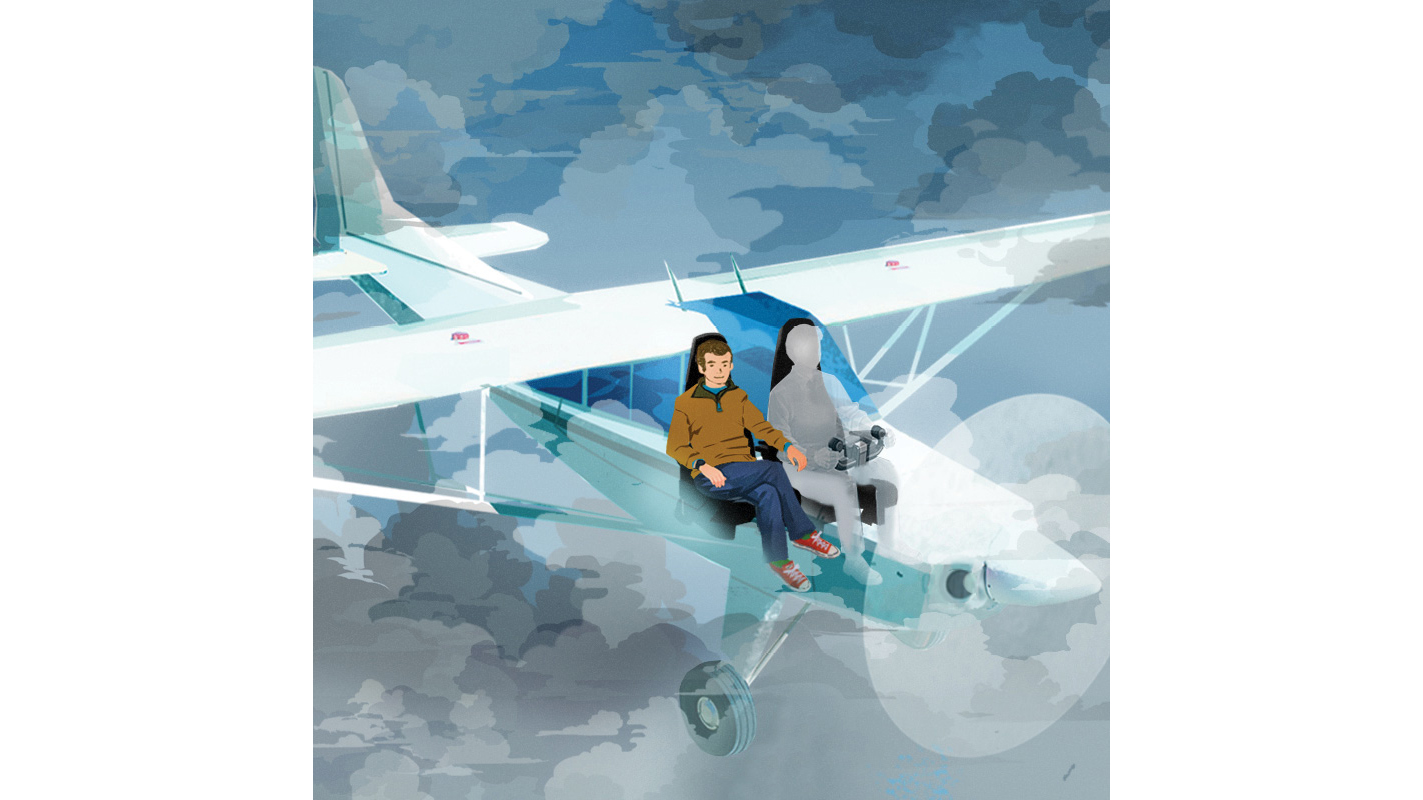
The Instrument Rating Airman Certification Standards (FAA-S-ACS-8C) requires that one of the nonprecision approaches be flown from “the initial approach fix without the use of autopilot and without the assistance of radar vectors.” For that approach, the ACS permits use of the flight director and yaw damper. For the rest of the practical exam, using the autopilot is fair game and even encouraged.
In my exam’s preflight briefing, I explain that the candidate is the pilot in command, and I am merely a passenger along to observe the way a crew of one conducts an instrument flight. I will do an excellent job searching for traffic, but otherwise won’t perform any pilot functions. The ACS lists single-pilot resource management (SRM) as a skill that must be assessed so that when the autopilot is engaged, the “pilot flying” converts to the new role of “pilot monitoring.” Relying on the autopilot while completing other checklist items shows that a pilot can use available tools to manage the impressive workload that flying single-pilot IFR demands.
Like many practical exam candidates, Nate seemed to regard engaging the autopilot as cheating. It’s easy to get that impression if his instructor introduced the autopilot only after Nate demonstrated sufficient hand-flying skills and right before the practical exam. This method results in another common problem where candidates don’t feel confident, or even capable of, using the autopilot. The ACS also states, “The evaluator is expected to test the applicant’s knowledge of the systems that are available or installed and operative during both the ground and flight portions of the practical test.”
Relegating autopilot use to the end of training shortchanges candidates and misses the goal of producing knowledgeable, skilled pilots who are ready to fly in the IFR system. One of the first steps of instrument training should be to consider the equipment in the airplane, along with electronic flight bag (EFB) tools, to devise a plan to use them optimally during instrument flight. Determining the phases of flight during which the autopilot will be engaged is a part of that holistic approach. In “Watch and Learn,” Bruce Williams makes a compelling case that an automation-first method can even accelerate the training process.In pursuing an instrument rating, or getting used to a new panel, it's worth finding an instructor who sees the big picture.
Developing such a plan includes abiding by manufacturer limitations. The Garmin GFC 500 flight manual supplement, for example, requires that the “autopilot must be disengaged below 200 feet during approach operations and below 800 feet agl during all other operations.” A departure briefing might include engaging the autopilot once a stable climb has been established and after passing through, say, 1,000 feet agl. Whenever we engage the autopilot, it’s important to immediately check the autopilot status bar, often atop the primary flight display, to ensure that the autopilot is engaged and displays the intended lateral and vertical modes. The departure briefing might amend that to a higher altitude if entering IMC around 1,000 feet would make that check difficult. I personally prefer to hand-fly all the way to my assigned altitude and engage the autopilot for the first time in cruise flight. Individual preferences vary; just find a routine that works and make it part of the plan.
All practical exams include a task on aircraft systems, and the autopilot is no exception. During the ground exam, the candidate should explain the autopilot installed in the aircraft. A single-axis type is often called a “wing-leveler” and controls only the roll axis.
My first autopilot had such a system and, although I was responsible for pitch and yaw, it was a great workload-reducer. A two-axis autopilot also controls pitch and allows more advanced capability during the approach segment. Three-axis systems add a yaw damper, and disengaging that feature is important before landing, so the pilot has unrestricted rudder authority. The system and its limitations will help determine how the autopilot will feature in the planned use of equipment.
Like any aircraft system, of course, autopilots can fail, so simulating such a failure should be expected on a practical exam. Whether it’s a servo giving out or just an old model reaching retirement, I’ve had several autopilot system malfunctions that made me glad I routinely exercise my hand-flying skills so they don’t atrophy.
When my Beechcraft Bonanza Niky’s autopilot died and repair wasn’t an option, I took the opportunity to replace all her old equipment with a glass panel. The result was beautiful, but I wasn’t sure how to use the new tools effectively; in ways, I became a beginning instrument student all over again. Since advanced avionics and IFR are his specialties, I secured a training slot with Williams (see “New Year’s Resolutions,” January 2024 AOPA Pilot).
We started by spending an hour sitting in Niky and setting up the optional fields in the avionics and my electronic flight bag in a way that made the most sense as I created a new instrument scan. We also developed a flow through items like the fuel selector, flaps, gear, engine gauges, and autopilot that I routinely use to ensure proper configuration throughout the flight. While the experience ended with an instrument proficiency check endorsement, the best part of the training was developing a plan to use Niky’s new tools that felt natural for me.
In pursuing an instrument rating, or getting used to a new panel, it’s worth finding an instructor who sees the big picture—that instrument flying is a license to travel, and not merely a collection of individual ACS tasks to complete.
As an examiner, my time with Nate ensured he has the knowledge and skills required and has developed a plan to use all the equipment in his airplane to travel successfully in the IFR system. In the exam debrief, he learned that the autopilot isn’t a crutch, but a valuable tool that makes single-pilot IFR safer.
Related Articles


