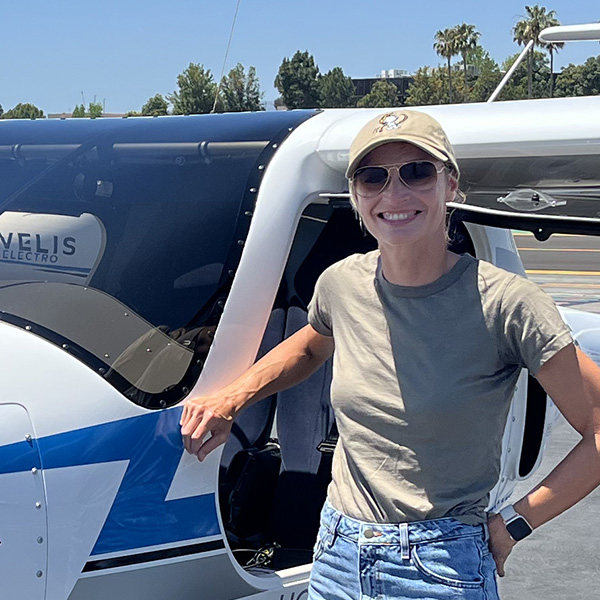
Keep flight training on track
A new online platform connects students and flight instructors
Skyfarer Academy aims to connect student pilots with certificated flight instructors, helping preserve training progress even when lives, schedules, or goals change.

Students move, instructors change jobs, schedules shift, and aircraft availability fluctuates. These and other events may force a student pilot to take a step back or even start over over—retaking lessons, repeating maneuvers, and trying to reconstruct their progress from logbook entries.
Instructors create profiles listing their certifications, aircraft types, and preferred student levels. Instructor credentials are verified against publicly available FAA airman records. For students, the experience is meant to feel familiar: Create a profile, search for instructors, send messages, and book training sessions. Students can also search for instructors who hold special endorsements, and by the level of training they offer—such as private pilot or instrument flight instructor. Students can also search for CFIs by aircraft type, including tailwheel aircraft and gliders. Before committing to sessions, students are encouraged to review instructor profiles and ratings carefully to ensure the best possible match.
There's no subscription required for either students or instructors to create a profile. Instructors set their own pricing, with payments processed through the platform—Skyfarer takes a percentage of each transaction. It's a model similar to popular freelance booking platforms, applied to flight instruction.
Skyfarerer is exploring additional ways to increase transparency and credibility, including integrating digital logbooks to allow logged hours to sync automatically (where permitted) and working more closely with the National Association of Flight Instructors and other training organizations to display badges or credentials on user profiles.
Safety remains an important consideration whenever students and instructors connect online. Profile monitoring and reviews are core tools, and profiles can be removed when necessary. Currently, the smaller size of the community allows closer oversight and more direct communication, though additional measures may be introduced as the user base grows. According to the company, Skyfarer currently reports over 12,900 student and pilot users, with a stated goal of eventually serving over 848,000 pilots across the United States.
Skyfarer is also testing ways to improve visibility between students and instructors. "We recently introduced a beta flow that allows student inquiries to be posted as listings," advisor Julie Boatman said, and the team is considering "a checkbox allowing students to choose whether they'd like us to post a request publicly when they send an inquiry to a specific instructor."
The company is exploring additional offerings, such as connecting students with designated pilot examiners for checkrides and bundled starter packages for students that may include headsets or syllabi through partner organizations. Skyfarer does not plan to purchase airplanes or operate as a brick-and-mortar flight school, nor does it provide liability insurance for training arranged through the platform. Responsibility remains with the instructor, the aircraft owner/operator, and the student. The platform's role is to facilitate introductions and support training under FAR Parts 61 and 141, as well as flight reviews for returning pilots and specialty instruction—even in areas where local CFIs are scarce. As Boatman described, the goal is to support "different aspects that are more customizable than might be within a typical scheduling program."
Much of the concept grew out of real-world frustration. Co-founder Nick Tsang, an instrument-rated private pilot, encountered difficulty when trying to locate specialized instruction and saw how fragmented training can be. In a time when pilots are already using online platforms for weather, scheduling, and exam preparation, it's not surprising that training itself is slowly finding its own dedicated online space.