AOPA will close at 2 p.m. ET on Friday, May 22, and remain closed Monday, May 25, in observance of the holiday. We will reopen at 8:30 a.m. ET on Tuesday, May 26.
Get extra lift from AOPA. Start your free membership trial today! Click here
Sponsored by Jeppesen Foreflight

AOPA Pilot Mental Health Resource Center (©AOPA 2026)

Mental Health Resource Center

The lack of mental health resources for pilots and the stigma around admitting issues and seeking help has been an open secret for decades. Some pilots fear their medical certificate might be revoked, while others fear what their peers may think. The Federal Aviation Administration accepts some treatments when pilots are struggling with their mental health, while others are off limits.

That's why AOPA launched its mental health initiative in May 2026, coinciding with Mental Health Awareness Month. Working with teams across the organization including the AOPA Air Safety Institute, the Pilot Information Center, Media, Social Media, Communications, Government Affairs, and more, AOPA has compiled this list of resources for you as we work to serve pilots every day.

Check back throughout month of May for new resources.

AOPA Advocates for You, the Pilot.

AOPA works with and on behalf of pilots every day to help them navigate mental health challenges:

  • AOPA’s Medical Certification Specialists help pilots understand the path toward certification, and in many cases, advocate directly with the FAA on their behalf.
  • AOPA’s Government Affairs team works closely with FAA leadership and members of Congress to support policies and participate in working groups that will safely increase access to the skies.
  • The AOPA Air Safety Institute supports the organization’s efforts to make general aviation safer by analyzing data and highlighting lessons learned from accidents

Together, these teams have worked together to compile the resources listed below. This list will be updated throughout the month of May.


Advocacy

AOPA, FAA, Congress work toward solutions

While the need for additional mental health resources and treatment options for pilots has been a known issue for decades, there has been significant progress in the last two years.

Together, AOPA and the aviation industry are working with the FAA and Congress to provide clearer pathways so that pilots can seek treatment for mental health conditions, and reported without fear of losing their medical certificate—or waiting months for a special issuance.
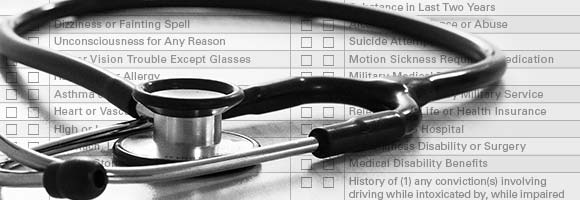

FAA Considerations When Applying for an FAA-Medical Checklist

Denial Policy Not Implemented

When the FAA proposed replacing deferred medical applications with immediate denials, AOPA fought back—and won. The FAA agreed to partner with AOPA and industry organizations on a pilot medical education campaign instead.

As a result, the organizations released a comprehensive medical checklist to help applicants prepare documentation and reduce delays.

AOPA continues advocating for policies that support pilot mental health transparency and treatment.

Mental Health in Aviation Act

In 2024, AOPA participated in the Mental Health and Aviation Medical Clearances Aviation Rulemaking Committee (ARC), set up by the FAA to discuss and deliver recommendations that break down the barriers preventing pilots from reporting and seeking care for mental health issues. The ARC ended up publishing 24 needed changes, including a non-punitive pathway for disclosing mental health conditions and treatments, as well as examining industry culture including the persistent stigma and mistrust of the aeromedical process.

The ARC committee agreed that, when implemented, the changes would cause a “seismic shift” in how mental health conditions are perceived and managed.

The Mental Health in Aviation Act was introduced in Congress in 2025. It would require that the FAA implement all 24 recommendations and provides funding to reduce the backlog of special issuance applications.

The bill passed the House unanimously in September 2025, and the Senate Committee on Commerce, Science, and Transportation, in March.


Aviation Medication Transparency Act

The Aviation Medication Transparency Act would require the FAA, for the first time, to provide clarity about which medications pilots holding or applying for an FAA-issued medical certificate can or cannot take. While having strong bipartisan support, this bill has not been brought up in committee or received a vote yet.


Medical Certification: Mental Health

AOPA Articles

  1. Senate committee passes Mental Health in Aviation Act
    The Senate Committee on Commerce, Science, and Transportation voted unanimously to pass the Mental Health in Aviation Act April 14.
  2. AOPA backs mental health, medication bills
    AOPA sent a letter to Senate Commerce committee leaders in December 2025, urging them to support two important bills.
  3. Unfit to fly
    Mental health remains one of the thorniest challenges for pilots and the FAA.
  4. Breaking the Silence
    Calls for cultural change in aviation to reduce stigma and encourage honest conversations about mental health.
  5. Curiosity, Craft, and Courage
    Content creator and mental health advocate Xyla Foxlin overcomes challenges to stay in the air.
  6. Changing Minds
    AOPA’s Pilot Information Center helps pilots rethink misconceptions about mental health and medical certification by providing accurate guidance and supportive expertise.
  7. Mental Health Concerns
    Practical advice for pilots on recognizing mental health issues and using available resources to stay fit to fly.
  8. 'I'd rather go through this process now'
    Private pilot and University of North Dakota aviation student Spencer King reveals how disclosing anxiety grounded him for more than 500 days.

From the FAA

  1. FAA Pilot Mental Fitness
    On this page, the FAA provides information for pilots on seeking mental health treatment and how mental health is assessed.
  2. Fact Checking Medical Myths in Aviation
    FAA addresses common pilot fears and highlights that most mental health disclosures don't result in denial.
  3. Mental Health Aviation Rulemaking Committee (ARC) Report
    The FAA committee report on reducing barriers to mental health care for pilots and controllers.
  4. FAA's The Air Up There Podcast: Mental Health
    In this May 2022 podcast episode, we clear the air about misconceptions around mental health and flying.
  5. Guide for Aviation Medical Examiners
    This guide provides pertinent information and guidance needed to perform the duties and responsibilities of an AME.

Videos

Xyla Foxlin is a pilot, engineer, and creator advocating for aviation mental health reform after losing and regaining her FAA medical.

Federal Air Surgeon Dr. Susan Northrup talks to AOPA about the FAA's efforts to streamline medical certification and reduce the stigma around mental health. 

Mental Wellness

Articles

  1. AOPA Mental Health Resources
    This page contains guidance for pilots with depression, ADD/ADHD, and more.
  2. Fight or flight?
    Flying involves risks. While we train to become safe pilots who mitigate those risks, we can still end up in situations that scare us to the core. When this happens, we need to examine the root of our fear.
  3. Day in the Life: HIMS-trained psychologist
    From his private practice in Santa Monica, California, Dr. Matthew Goldenberg evaluates pilots and air traffic controllers for the FAA. As a HIMS-trained addiction psychiatrist, he works closely with safety-sensitive professionals, helping them navigate mental health or substance-related concerns while keeping their professional responsibilities in focus.
  4. Undaunted
    For weeks leading up to each flight as an airline passenger, images of air disasters replayed in Nick Beatty’s head like a Final Destination movie. Nick endured this terror for decades before he began flight lessons and became a private pilot. How did he shed this fear?
  5. Silent No More
    Reini Thijssen explores how pilots are increasingly speaking about mental health challenges and seeking support instead of staying silent.
  6. Finding Balance
    Balancing mental, physical, and emotional well-being is important to maintain safe and effective flying.

Webinar

AOPA Foundation What's Up?! Know. Learn. Fly. Webinar Series

Mind over Mayday: Navigating Pilot Stress and Mental Fitness Webinar

Check back next week to watch the AOPA’s Mental Health Campaign episode with Reini Thijssen for practical tips on managing stress, finding certification-safe support, and understanding FAA mental health guidance.
 

AOPA eFIRC now offers a new elective module on Mental Health in Aviation

Videos

Watch the video series on YouTube or take the video course and quiz (a free login required for course).

Watch the video series on YouTube or take the video course and quiz for FAA WINGS credit (a free login required for course).

USHST Pilot Peer Program

In aviation industry, we pay substantial attention to a pilot’s physical ability to fly. But how often do we focus on an equally important aspect of fitness: mental health? In this Spotlight on Safety video, Airbus Helicopters pilot Bruce Webb discusses the US Helicopter Safety Team’s Peer Pilot Program, a confidential, free counseling resource especially designed for members of the vertical aviation community, including pilots and nonpilots alike.

Call 988 for Help - The National Suicide and Crisis Lifeline

Need to talk to Someone?

The Lifeline staff is there to listen and help with problems from stress, depression, anxiety, or drug and alcohol use. For you or a loved one. Free and confidential.

Get Help Now:    Call 988   |    Text 988   |   Chat Now


AOPA Medical Certificate Assistance

AOPA Membership with Pilot Protection Services (PPS) is available to help protect your pilot and medical certificates with trusted and knowledgeable support. There are two levels of PPS, Basic and Plus. They include:

AOPA Membership includes:

  • Individual assistance with interpreting the FAA’s medical requirements
  • A searchable medication database
  • Interpretation of FAA letters pertaining to medical issues by our pilot information center specialists
  • MedXPress simulator to review health history before applying for a medical certificate
  • $89 per year

PPS Basic Adds:

  • Legal and medical support
  • Checking on the status of the application
  • Monitor application status until a determination is made.
  • Supply FAA correspondence such as letters or certificates, when made available to AOPA.
  • If there are questions that delay the application, AOPA will intervene on your behalf with a formal request
  • $149 per year
    (price includes AOPA membership)

PPS Plus Adds:

  • Plus service is an additional level of support to “preflight” your application
  • AOPA medical certification experts review your documents and flag potential issues before submitting them to the FAA, helping avoid complications
  • Save thousands of dollars over competitors offering a similar service
  • $189 per year
    (price includes AOPA membership)
> Join AOPA Today

Already an AOPA member? Want to add PPS?
You can add PPS Basic or PPS Plus to your membership at any time. Login on AOPA.org, visit your "My Account" page and scroll down the page to the Pilot Protection Services (PPS) block and select "add" or call 800.872.2672 for further assistance
(8:30 a.m. to 6 p.m. Eastern time, Monday through Friday).


 

Jeppesen ForeFlight

Jeppesen ForeFlight

Jeppesen ForeFlight provides the data, software, and insights that power every segment of aviation. Pilots, operators, and flight crews trust us to plan, navigate, monitor, and optimize more than 60 million commercial, military, business, and general aviation flights each year. Our platforms support crew, fleet, and flight planning; network and operations management; and flight deck solutions. Our navigation data remains the global standard. From inventing paper charts a century ago to leading today’s AI-enabled era, we deliver deep domain expertise with unmatched insights as the platform for the aviation industry.