Coupling crisis
Supply chain snags meet regulatory hurdles
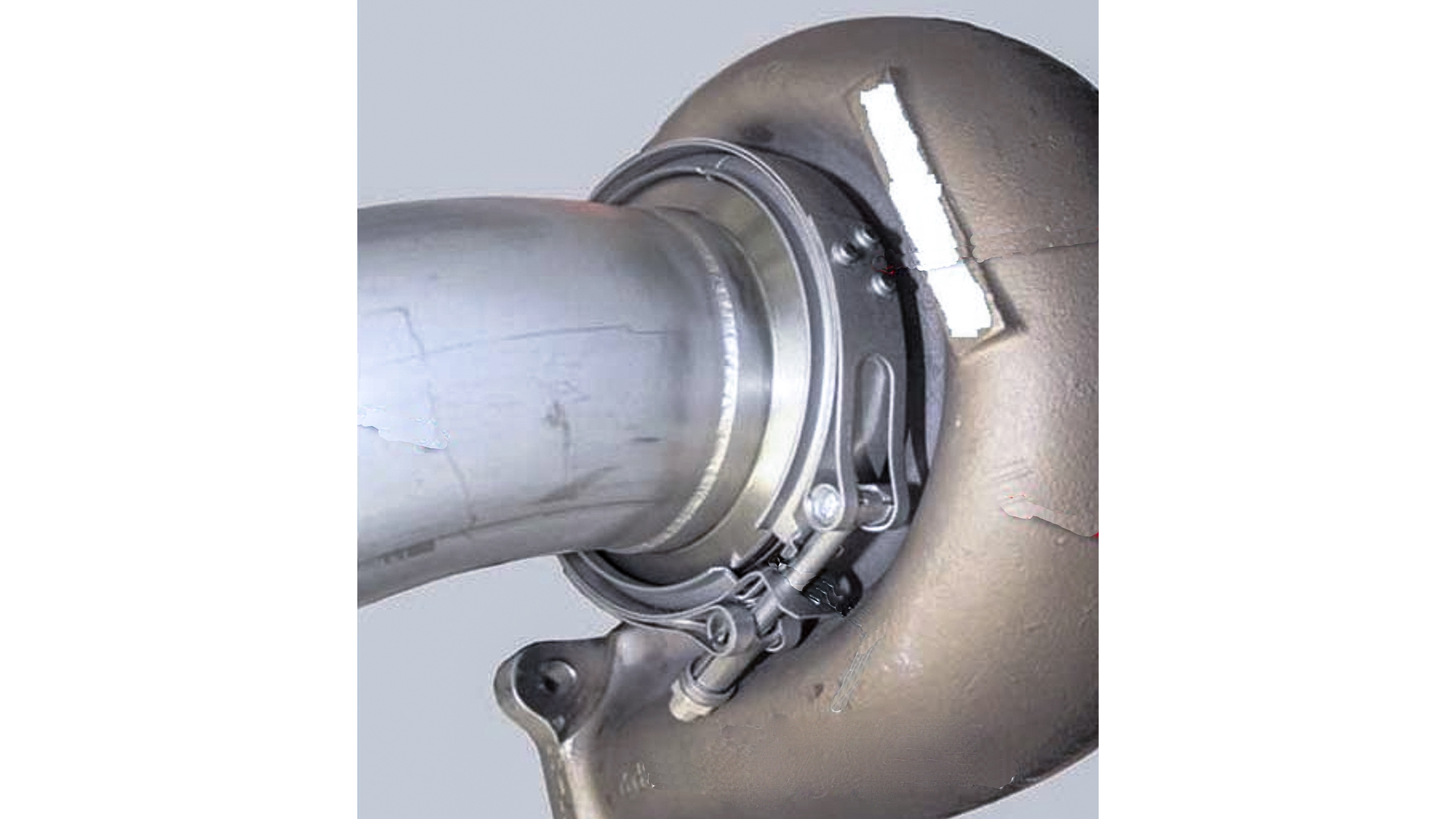
Imagine you asked your mechanic to comply with the AD, only to be told that the required replacement part could not be located anywhere. Imagine you learned it might be months or years before replacements become available. You’d be stuck between a rock (the FAA) and a hard place (the supply chain), wouldn’t you?
Well, that’s exactly the situation that one in five general aviation piston aircraft is dealing with now. I’m talking about the roughly 31,000 turbocharged singles and 10,000 turbocharged twins that employ a spot-welded multi-segment V-band coupling between the turbocharger and the tailpipe. The FAA has ordered these couplings to be euthanized, and predictably, the supply of replacements has virtually dried up.
If you fly a turbocharged Aerostar, Bonanza, Baron, Cessna, Cirrus, Com-mander, Diamond, Duke, Extra, Helio, Lake, Maule, Mooney, Saratoga, Tobago, or pretty much any airplane or helicopter powered by turbocharged Continental or Lycoming engines, you’re either already in a world of hurt over this or about to be soon.
A long time coming
These V-band couplings that attach the tailpipe to the turbocharger exhaust outlet have a terrible safety record, with a long history of in-flight fires and crashes (many fatal) dating back to the mid-1970s. In 1974, the NTSB issued a safety recommendation addressing coupling and other exhaust failures in Cessna 300- and 400-series twins. Between 1988 and 1990, they issued six additional safety recommendations concerning exhaust failures in Piper Turbo Saratogas.
Between 1981 and 2018, the FAA issued 20 model-specific exhaust-related ADs that addressed multi-segment V-band couplings on the Cessna P210, Piper Turbo Saratoga, Cessna 300- and 400-series twins, Commander 114TC, turbocharged and turbonormalized Beech Bonanza and Debonair, Mooney M20M, Piper Turbo Saratoga (again), and Malibu Mirage, Piper Navajo, and turbocharged Beechcraft Bonanzas (again). These ADs are either life-limited or require repetitive inspections of these couplings (or both). The FAA also issued 10 special airworthiness information bulletins (SAIBs) addressing safety issues with these couplings.
In spite of these efforts, coupling failures continued to occur, and the number of significant safety events continued to increase. So, the FAA tasked the General Aviation Joint Safety Committee (GAJSC)—an advisory group comprised of both FAA and industry participants—to study the problem of V-band coupling failures in turbocharged aircraft. The committee formed a working group that included manufacturers, type clubs, and user groups (including AOPA), and government entities. In January 2018, the working group published a document with the catchy title, Exhaust System Turbocharger to Tailpipe V-band Coupling/Clamp Working Group, Final Report.
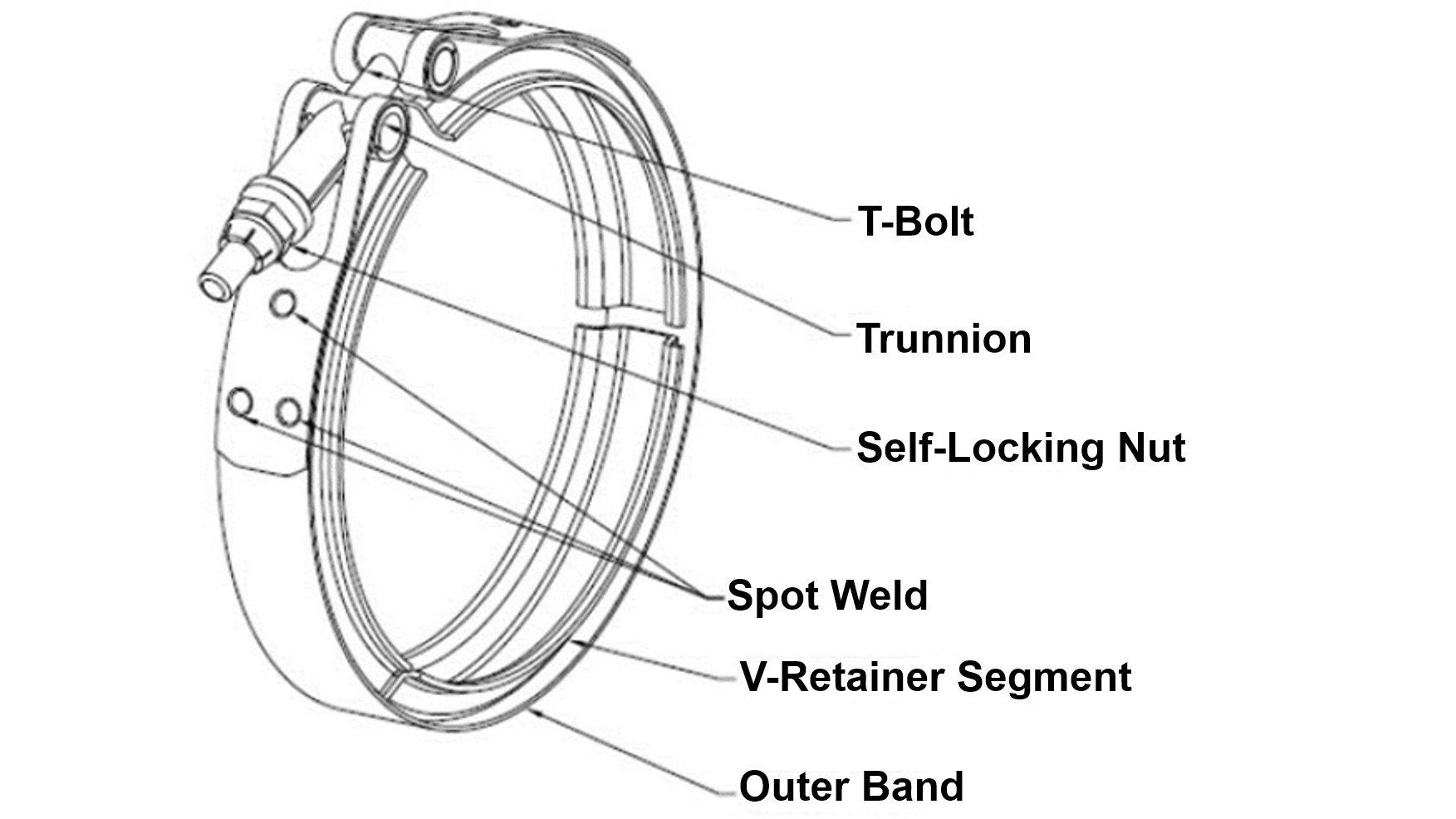
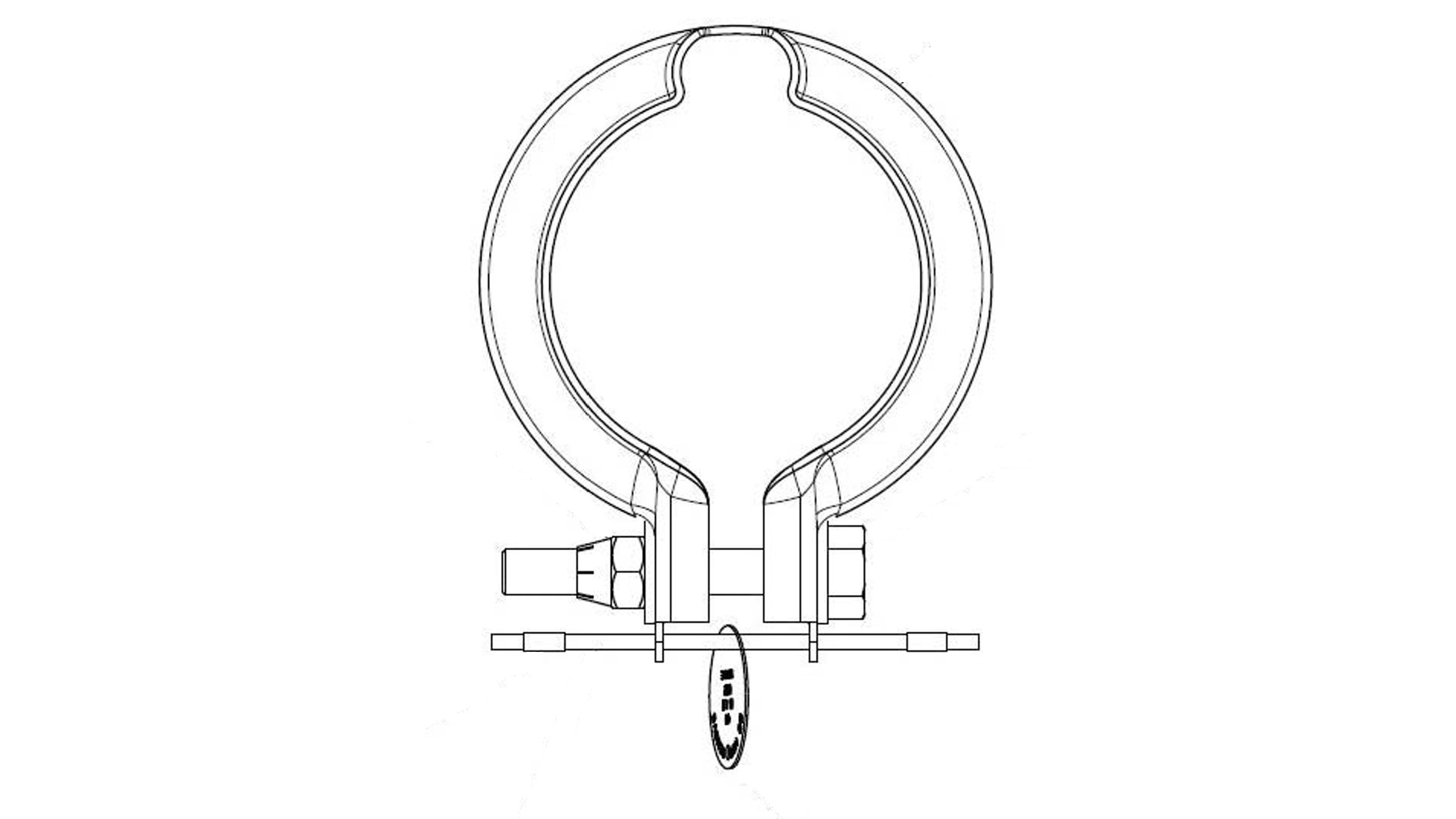
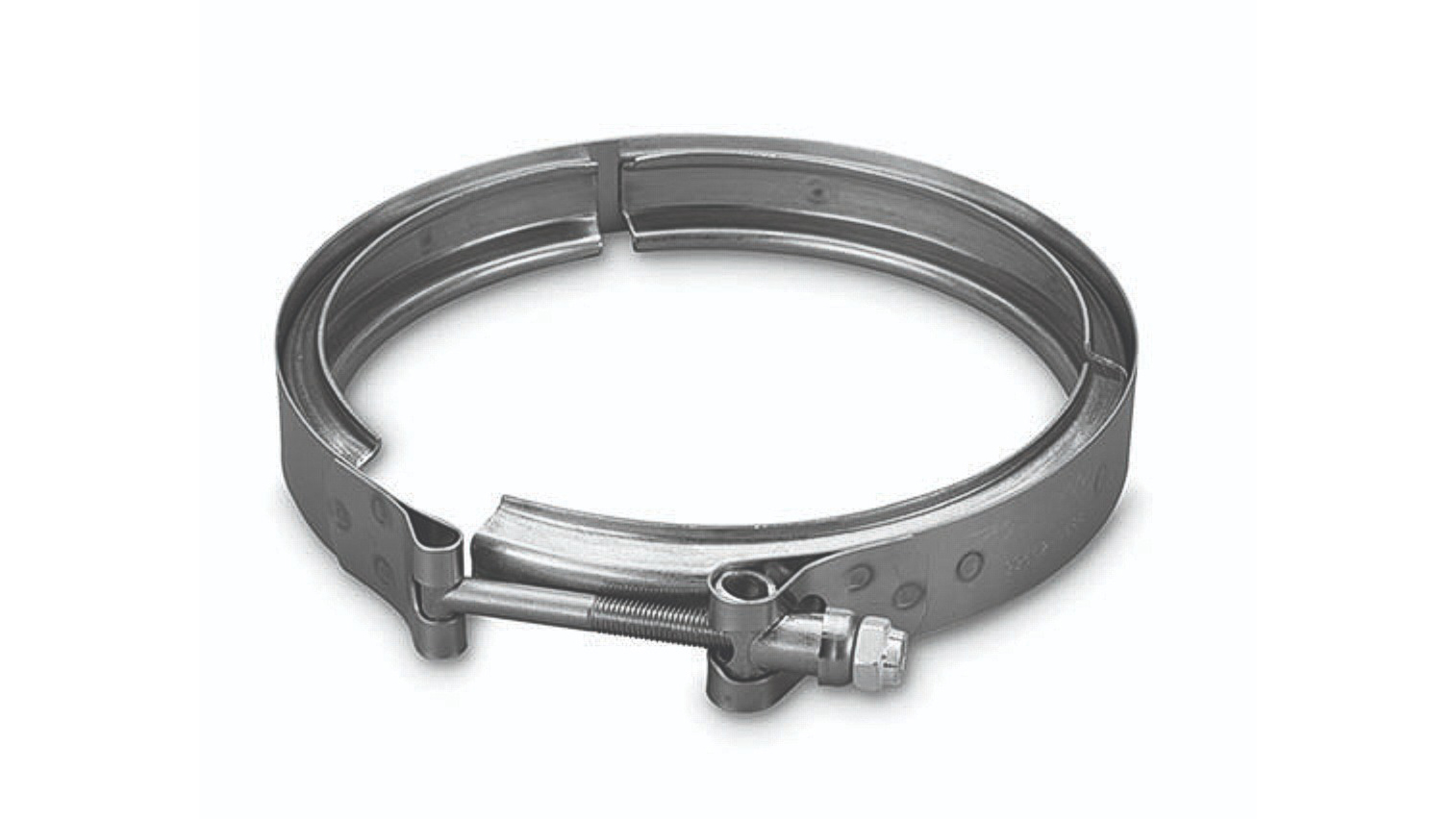
This report analyzed the three different kinds of V-band couplings used to attach tailpipes to turbochargers—one-piece, multi-segment riveted, and multi-segment spot-welded—and determined that only the multi-segment spot-welded couplings presented a significant safety problem. (Naturally, those are the most commonly used.) The report recommended life-limiting the spot-welded couplings to 500 hours time-in-service and life-limiting the one-piece and riveted couplings to 2,000 hours. It also provided recommendations for repetitive inspections of these couplings.
Ultimately, the FAA decided to mandate the life limits and repetitive inspections in the GAJSC report for all spot-welded multi-segment V-band tailpipe-to-turbocharger couplings on a fleetwide basis. On July 27, 2022, the agency published a notice of proposed rulemaking (NPRM), received only 32 comments—notably none from any type club or alphabet group—and on May 9, 2023, issued AD 2023-09-09 with an effective date of July 17, 2023.
Gestation of an AD
Airworthiness directives live in FAR Part 39. The regulation is short and deceptively simple: The FAA issues an AD when it finds (1) an unsafe condition exists in a certificated product—aircraft, engine, propeller, appliance, or part—and (2) the condition is likely to exist or develop in other products of the same design.
“Unsafe condition” means one that poses an unacceptable risk to continued safe flight and landing. It’s basically an engineering judgment call by one or more FAA aviation safety engineers, hopefully backed by hard data about failures, incidents, and accidents.
The process starts with the Monitor Safety/Analyze Data (MSAD) pipeline inside the Aircraft Certification Service. FAA engineers triage reports from service difficulty reports (SDRs), NTSB accident investigations and safety recommendations, mandatory service reports from manufacturers (per FAR 21.3), operator complaints, and recommendations from type clubs, industry alphabet groups, and the GAJSC.
Once FAA engineers identify an unsafe condition, their analysis goes to a Corrective Action Review Board (CARB), a multidisciplinary group of FAA engineers, inspectors, and managers. Their job is to review the risk: How many aircraft are affected? How many hours do they fly? What’s the probability of failure per flight hour? How severe are the consequences of a failure? Is the risk unacceptable without mandatory corrective action? Is an AD necessary, or should an SAIB be tried first?
Cure worse than the disease?
Every proposed AD goes through a regulatory evaluation that looks at costs, practicality, and whether the fix introduces new risks such as maintenance-induced failures. In theory, the FAA tries to ensure that the AD-mandated cure isn’t worse than the unsafe-condition disease. In practice—at least in my experience—they don’t always get this part right.
The V-band coupling AD 2023-09-09 is a textbook example of where the FAA tried to get this right but came up short. Recognizing that the issuance of this AD would mandate replacement of about 50,000 spot-welded V-band couplings—many times the available supply of these components—the FAA wrote the AD to permit the 500-hour life limit to be exceeded for up to two years after the AD’s effective date, provided the couplings were inspected repetitively every 100 hours or six months, whichever came first. The FAA figured that two years would be ample time for industry to ramp up production of these $400 to $800 V-band couplings.
They got it wrong. The two-year repetitive-inspection window closed on July 17, 2025, and the parts were completely out of stock. Now, almost a year later, they still are.
Just as this window was closing, Continental petitioned the FAA for a global alternative methods of compliance (AMOC) that would permit certain V-band couplings used by Continental on certain TSIO-360 engines to continue in service with repetitive inspections until April 15, 2026. The FAA granted this AMOC, which was good news for Mooney and Seneca owners but didn’t help anyone else. That window is now closed, too.
Why didn’t Lycoming apply for a similar AMOC? What about type clubs or owner associations? Why was Continental’s AMOC limited to TSIO-360s? Have any individual owners or operators applied for AMOCs? I have no clue.
A better mousetrap?
Even if the supply of spot-welded multi-segment V-band couplings were adequate to meet the FAA-mandated demand, owners of affected aircraft wouldn’t be thrilled at the prospect of replacing them every 500 hours, partly because they’re costly but mostly because they have such a hideous record of catastrophic failure and in-flight fire. Wouldn’t you think that some enterprising company would develop a better design—preferably a “lifetime” coupling—and obtain a parts manufacturer approval (PMA) to manufacture it? Someone like McFarlane Aviation, Superior Air Parts, or Tornado Alley Turbo, perhaps?
Almost exactly one year after AD 2023-09-09 hit, I spent some time at EAA AirVenture 2024 with my friend George Braly, chief engineer at General Aviation Modifications Inc. (GAMI) and Tornado Alley Turbo Inc. (TAT). Braly showed me a prototype of exactly such a “lifetime” V-band tailpipe coupling—it struck me as a truly elegant solution—and said he planned to seek FAA production approval.
Fast forward to 2026, as I was preparing to write this column, I called Braly to ask him about the status of his V-band coupling project.
“Mike, it’s still mired in the FAA bureaucracy,” he told me. “No real sign of forward progress.”
“It’s been two years, George,” I said. “How can something like this take so long?”
Braly explained to me that ever since the FAA’s massive reorganization 25 years ago, approvals of PMAs and STCs have nearly ground to a halt. The reorganization he cited involved the merger of the FAA’s former Aircraft Certification (AIR) and Flight Standards (AFS) services into a single unified Aviation Safety (AVS) service, and the transition from the agency’s structure of geographic regions (e.g., Eastern, Great Lakes, Western Pacific) and functional directorates (e.g., small airplane, rotorcraft, engine, and propeller) into a totally different structure (e.g., AIR-600 Policy and Standards Division, AIR-700 Compliance and Airworthiness Division, AIR-800 Systems Oversight Division).
For anyone seeking FAA approval of a project, the most noticeable changes have been less regional autonomy, more national control, a centralized certification policy, and standardized guidance. The FAA’s intent was to reduce inconsistent interpretation between regions and directorates. According to Braly, however, the effect has vastly increased bureaucratic overhead that slows progress to a crawl.
“We submit a detailed technical report that the FAA has asked for,” Braly told me, “and their response time is 30 to 45 days. They come back asking for changes to a few paragraphs, and we make the requested changes and resubmit the revised report a few days later. The FAA responds 30 to 45 days later, asking for a few sentences to be changed. We do that and resubmit. Then, 30 to 45 days later, they ask for a few words to be changed. It’s really exasperating.”
Braly also told me that TAT had submitted a request to the FAA to amend the Airworthiness Limitations section of the instructions for continued airworthiness for its turbonormalizing STCs to provide relief from the 500-hour life limit on V-band tailpipe couplings during the current supply chain disruption. He said that no progress had been made with the FAA on that, either.
Is it any wonder that experimental amateur-built is the fastest-growing segment of general aviation? 
 savvyaviation.com